How to Find Top Corrugated Pipe Manufacturers in China?

Finding a reliable corrugated pipe manufacturer in China requires more than comparing online prices. The right supplier must prove performance, consistency, and responsible business practices. A polished website is useful. It is not enough.

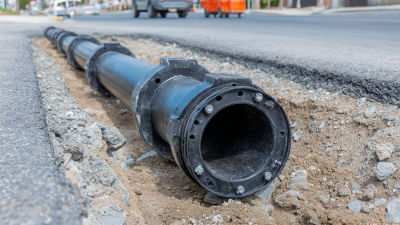
Mark A. Knight, a recognized expert in buried flexible pipe systems, has stated, “The performance of flexible pipe is dependent on the soil-pipe interaction.” This principle matters when evaluating Chinese manufacturers. A strong factory should understand resin selection, profile design, stiffness ratings, joint performance, and installation conditions. Ask for technical datasheets, laboratory results, production records, and samples from current batches. Inspect the pipe wall closely. Look for even corrugation, clean cuts, stable dimensions, and secure sockets. Small defects can become expensive problems underground.

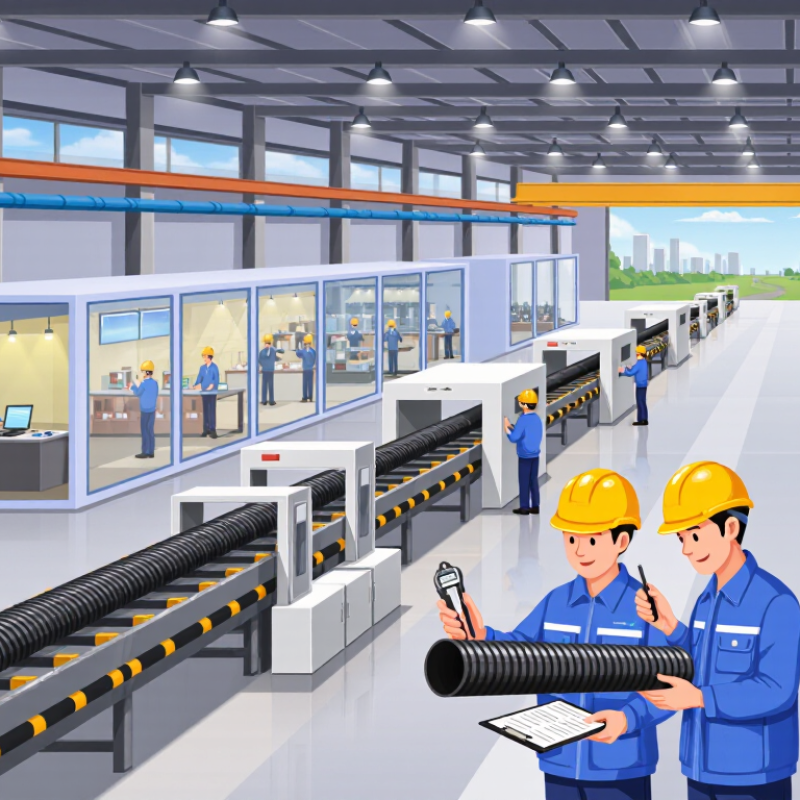
Experience also matters. Visit the production site when possible. Observe material storage, extrusion lines, cooling systems, and quality checkpoints. Request evidence of relevant standards, third-party testing, and export experience in your destination market. Confirm whether the manufacturer can maintain stable output during large orders. One impressive sample proves little. Repeated results matter more.

This guide is not a perfect shortcut. Supplier claims can still be incomplete. Some buyers focus too heavily on low prices and overlook installation risks. That mistake deserves reflection. A dependable manufacturer should answer difficult questions clearly, not avoid them. The best choice combines verified technical capability, transparent communication, realistic lead times, and after-sales support. In the following sections, we will examine practical methods for identifying China’s top corrugated pipe manufacturers with greater confidence.
How to Find Top Corrugated Pipe Manufacturers in China?

Define Pipe Requirements by Diameter, Material, and SN2–SN16 Stiffness Classes

Finding a reliable corrugated pipe manufacturer in China starts with a precise specification, not a broad product request. Measure the required internal diameter, outside diameter, and allowable tolerance. A 300 mm pipe may not suit a 300 mm trench if joint clearance is ignored. Record the application, such as drainage, cable protection, or culvert service. Site conditions matter.

Material selection should follow exposure and load. HDPE often suits buried drainage because it resists moisture and many chemicals. Recycled content can reduce cost, but its consistency must be verified. Ask for resin data, wall profile, joint design, and test records. Do not accept a generic material statement. Request samples, dimensional checks, and a written inspection plan before placing a large order. This step is practical. It can prevent expensive rework.

SN2–SN16 classes describe ring stiffness, from SN2 to SN16, and should match soil cover, traffic, groundwater, and installation quality. SN2 may fit light-duty conditions, while SN16 provides greater resistance under demanding loads. The class alone is not enough. Bedding, backfill, compaction, and trench width can change real performance. Ask the manufacturer for test standards, stiffness results, production tolerances, and project references. A factory visit or independent inspection adds confidence. I would still challenge every catalog claim. One overlooked joint can undermine an otherwise strong pipe system.

Screen Chinese Suppliers Against ISO 21138, EN 13476, and ASTM F667

How to Find Top Corrugated Pipe Manufacturers in China?

A reliable supplier review should begin with standards, not attractive catalog photographs. ISO 21138 and EN 13476 address structured-wall thermoplastic piping systems for underground drainage and sewerage. ASTM F667 focuses on large-diameter corrugated polyethylene pipe and fittings. These standards are related, but they are not interchangeable. Ask the manufacturer to identify the exact standard, edition, pipe class, and application covered by each certificate.

Request complete test reports, not only compliance logos. Check ring stiffness, dimensions, wall structure, impact resistance, joint performance, and material specifications. The supplier should provide traceable batch records and explain how production tolerances are controlled. During a factory audit, compare laboratory samples with finished pipes.

Examine extrusion lines, calibration equipment, storage conditions, and inspection records. A clean showroom proves little. Production evidence matters more.

Tips: Ask for third-party reports with laboratory names, test dates, and sample details. Confirm that the tested diameter matches your project. Review installation guidance and fitting compatibility before ordering. Small gaps often appear between documented performance and site conditions. This check is not perfect. Keep an independent inspection clause, and verify several production batches before approving long-term supply.

Verify ISO 9001 Systems, Wall Thickness, Joint Sealing, and Load Tests

Finding a top corrugated pipe manufacturer in China requires more than comparing quotations. An effective audit begins with the quality system. The ISO Survey 2023 recorded 1,265,216 ISO 9001 certificates worldwide, showing certification is common, not conclusive. Ask for the current certificate, scope, surveillance records, corrective-action logs, and calibration history. Verify that the audited site actually extrudes and assembles the pipe.

Paperwork can still mislead.

Measure wall thickness at several points around the spiral or annular profile, not only at the end. Record minimum, average, and variation from production samples. Compare results with the specified standard, diameter, stiffness class, and temperature conditions.

For joints, request gasket certificates and dimensional checks. ASTM D3212-style hydrostatic tests can reveal leakage paths that visual inspections miss. Ask for test pressure, duration, sample count, and failure records.

A dry warehouse proves little.

Load performance deserves witnessed testing. Request ring-stiffness or parallel-plate data, controlled deflection results, and installation simulations using the planned backfill. FHWA’s Hydraulic Design of Highway Culverts emphasizes soil-pipe interaction, embedment quality, and construction control.

The 2022 U.S. EPA Clean Watersheds Needs Survey estimated $630.1 billion in wastewater infrastructure needs over 20 years, making procurement errors expensive. Do not accept one perfect sample as proof. Batch variation matters.

I would compare third-party results with factory records, because even a competent supplier can miss a weak production run.

Compare MOQ, Lead Time, Annual Capacity, and Export Certification Data

How to Find Top Corrugated Pipe Manufacturers in China?

Finding a reliable corrugated pipe manufacturer requires more than comparing quoted prices. I usually begin with MOQ, because a low unit price may hide an unsuitable minimum order. Ask whether the MOQ applies per diameter, material grade, or shipment. A practical supplier should provide a clear table, not a vague estimate. Small trial orders can reveal packaging quality and dimensional consistency. Details matter.

Lead time needs careful checking. Request separate timelines for tooling, production, inspection, and sea freight preparation. A factory may promise 15 days, but that figure might exclude raw material purchasing. Ask for recent delivery records and production schedules. I also compare annual capacity with actual equipment, warehouse space, and staffing. A large capacity claim means little without evidence, such as machine lists or monthly output records.

Export certification data deserves independent verification. Ask for current product test reports, quality management certificates, and documents required by the destination market. Check certificate numbers, issuing bodies, validity dates, and matching product specifications. Photos of certificates are not enough. Have the documents confirmed through official channels when possible. I once treated a certificate copy as reliable and missed a scope limitation. That was avoidable. Manufacturers should also explain resin grades, ring stiffness, wall thickness, and inspection frequency in technical language. Request samples from regular production, not specially prepared pieces. Supplier performance can change. Recheck it before signing a long-term contract.

Select Manufacturers Using Samples, Factory Audits, Pricing, and Warranty Terms

Finding top corrugated pipe manufacturers in China requires more than comparing online catalogs. Start with production samples. Request several diameters, wall thicknesses, and connection types. Inspect the rib shape, inner surface, cut edges, and flexibility. A useful sample should match your drainage, cable protection, or water-management project. Ask for test data, material specifications, and batch details. I once saw a polished sample hide uneven stiffness in a larger size. That mistake changed my inspection routine.

A factory audit adds practical evidence. Check extrusion lines, mold storage, raw-material labeling, laboratory equipment, and finished-goods storage. Speak with the quality manager, not only the sales contact. Review incoming-material checks and records for pressure, ring stiffness, impact, and dimensions. Confirm whether production follows recognized technical standards for your market. Photos help, but live video or an independent audit is stronger. Audits can still miss seasonal issues, so request recent records from several batches.

Tips: Compare landed pricing, not unit price alone. Include tooling, packaging, testing, freight, taxes, and replacement costs. Request a quotation with currency and validity dates. A low offer may reflect thinner walls or weaker controls. Discuss warranty terms in writing. Define coverage, claim evidence, response time, and replacement responsibilities. Avoid vague promises. A reliable supplier should explain exclusions calmly and provide traceable documents. Record every agreement before placing an order.