How to Choose Underground Drainage Pipes in 2026?

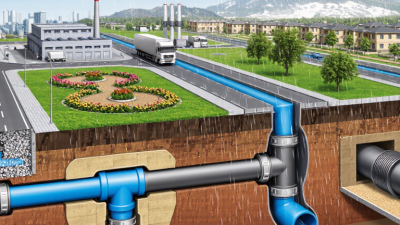
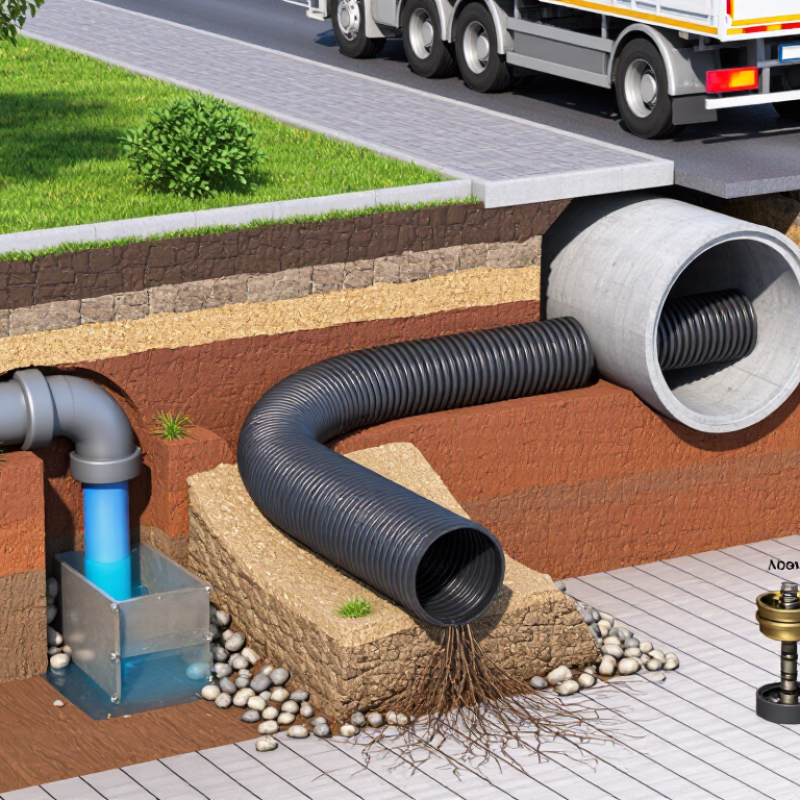
Choosing underground drainage pipes in 2026 requires more than comparing diameters and prices. The ground is not empty space. It contains soil pressure, groundwater, tree roots, traffic loads, and buried utilities. A pipe that performs well beneath a garden may fail under a busy access road. Material selection must match the site.

Professor Richard Fenner, a civil and environmental engineering specialist, has emphasized, “A pipe is only one part of a drainage system.” That principle remains highly practical. Good underground drainage design considers flow capacity, pipe stiffness, joint security, bedding quality, inspection access, and long-term maintenance. PVC may suit lightweight installations and straightforward connections. HDPE can offer flexibility where ground movement is possible. Concrete may remain valuable beneath heavier loads, but its handling and joint requirements deserve careful attention.

Details matter. A poorly compacted trench can leave voids beneath the pipe. Small gaps may later become serious settlement points. Infiltration can also increase where joints are badly aligned. Bigger is not always better. An oversized pipe may reduce self-cleansing flow, while an undersized pipe can surcharge during intense rainfall.

The most reliable choice begins with evidence: soil investigation, hydraulic calculations, expected loading, climate conditions, and local installation standards. Product certificates help, but they do not replace competent design or workmanship. Even experienced teams can overlook future access needs. That deserves reflection.

This guide examines practical pipe options, installation risks, performance expectations, and maintenance considerations. Its goal is simple: help readers choose a durable system, not merely a cheaper product.
How to Choose Underground Drainage Pipes in 2026?

Define Underground Drainage Needs and Site Conditions

Before choosing an underground drainage pipe, define what the site must carry. Map roof runoff, paved surfaces, wastewater flows, and possible groundwater entry. Record catchment areas, pipe lengths, outlet levels, and expected peak flow. A 300 mm pipe may look adequate on paper, yet surcharge quickly when several roof drains connect.

Site evidence matters more than a generic catalogue. Inspect soil logs, groundwater levels, trench stability, burial depth, traffic loads, and nearby utilities. Use local rainfall intensity-duration-frequency data, such as NOAA Atlas 14 in the United States. Do not copy rainfall figures from another city. That mistake is common.

The U.S. Environmental Protection Agency’s 2022 Clean Watersheds Needs Survey estimated $630.1 billion in wastewater and stormwater infrastructure needs through 2042. This scale shows why early site definition affects long-term cost and reliability. Check whether infiltration is acceptable, then confirm hydraulic capacity, joint performance, bedding, and access for cleaning. Field surveys and CCTV inspections can reveal roots, deformation, or hidden connections. I have seen drawings fail because the outlet was only a few centimetres too high. Recheck levels. Conditions change after excavation, so pipe selection should remain adjustable rather than blindly fixed.
Compare Pipe Materials, Sizes, Strength, and Jointing Systems

How to Choose Underground Drainage Pipes in 2026?

Material selection starts with soil, flow, loading, and installation quality. PVC pipes are light, smooth, and usually economical for gravity drainage. HDPE tolerates ground movement because its joints can be heat-fused. Concrete provides high stiffness under roads, but it needs careful lifting and sealing. Vitrified clay resists many chemicals, although its rigid joints demand accurate bedding. The U.S. EPA’s 2022 Clean Watersheds Needs Survey estimates $630.1 billion in nationwide wastewater infrastructure needs. That figure shows why long-term maintenance matters, not only purchase price.

Size and strength must match hydraulic calculations and site loading. A larger diameter is not automatically safer; low velocity may allow sediment to settle. Designers should check peak flow, minimum slope, cover depth, traffic loads, groundwater, and soil stiffness. Flexible pipes depend on soil support, while rigid pipes carry more load through the pipe wall. ASTM and EN test classifications help compare stiffness and pressure performance, but field conditions can still defeat a perfect specification. I have seen poor bedding damage strong pipes.

Tips: Use a hydraulic model for uncertain flows. Select gasketed joints where movement is expected. Use fused HDPE when infiltration control is critical. Inspect every socket before backfilling. Keep joint surfaces clean and dry. CCTV inspection after installation can reveal deflection, gaps, or displaced seals. Recheck the design when soil data is incomplete; that uncomfortable step often prevents expensive repairs.

How to Choose Underground Drainage Pipes in 2026? - Compare Pipe Materials, Sizes, Strength, and Jointing Systems
The values below are typical industry ranges for non-pressure underground drainage applications. Always confirm the required pipe class, cover depth, groundwater conditions, traffic loading, bedding design, local standards, and hydraulic calculations before specification.
Pipe Material Typical Nominal Sizes Strength and Stiffness Indicators Typical Manning Roughness
n Value
Common Jointing Systems Main Advantages Key Limitations Best-Fit Applications
Unplasticized PVC
(PVC-U)
DN110–DN630 for common gravity drainage systems;
larger diameters are available in selected systems.
SN2: 2 kN/m²
SN4: 4 kN/m²
SN8: 8 kN/m²
Ring stiffness class is normally selected according to burial and loading conditions.
Approximately 0.009–0.011 Factory-formed socket with elastomeric sealing ring;
solvent-welded joints may be used for some smaller drainage products.
Lightweight, smooth internal surface, strong resistance to domestic wastewater, easy cutting and installation, and generally low maintenance. Reduced impact resistance at low temperatures; thermal expansion is higher than that of mineral-based pipes; installation quality strongly affects long-term performance. Residential drainage, commercial site drainage, shallow-to-moderate burial, and gravity sewer laterals.
High-Density Polyethylene
(HDPE)
DN110–DN1200 is common;
larger diameters can be manufactured for project-specific systems.
SDR26
SDR17.6
SDR11
For gravity drainage, structural capacity depends heavily on wall profile, pipe geometry, soil support, and installation.
Approximately 0.009–0.011 Butt fusion, electrofusion, mechanical couplers, or elastomeric socket joints depending on the pipe system. Flexible, highly resistant to impact and many chemicals, excellent watertightness when fusion-jointed, and suitable for ground movement. Greater thermal movement, possible flotation during installation in high groundwater, and dependence on properly compacted embedment for flexible-pipe performance. Ground with settlement risk, trenchless installation, corrosive environments, outfalls, and large-diameter drainage.
Polypropylene
(PP)
DN110–DN1000 for many gravity drainage systems. SN4: 4 kN/m²
SN8: 8 kN/m²
SN10–SN16 in higher-stiffness systems.
Approximately 0.009–0.011 Elastomeric sealing-ring sockets, usually with factory-made spigots and sockets; some systems use mechanical couplers. Low weight, good impact resistance, good chemical resistance, and better low-temperature toughness than many conventional rigid plastics. Requires correct bedding and backfill; material-specific thermal expansion must be considered; availability of sizes and classes varies by market. Municipal gravity sewers, road drainage, areas with variable ground conditions, and installations requiring high impact resistance.
Vitrified Clay DN100–DN1200 is common;
larger sizes are available for selected sewer projects.
High compressive strength and strong resistance to abrasion;
structural performance is normally verified using product load classes and installation design rather than a universal SN value.
Approximately 0.011–0.013 Precision socket-and-spigot joints with elastomeric seals; short-length fittings are often used to accommodate alignment. Excellent resistance to chemical attack, abrasion, hydrogen sulfide exposure, and long-term temperature effects; low thermal expansion. Heavier and more brittle than plastic pipes; requires careful handling, accurate bedding, and protection from point loading. Long-life municipal sewers, aggressive wastewater environments, abrasive flows, and projects prioritizing mineral-based materials.
Reinforced Concrete DN300–DN3000 and larger for major drainage infrastructure. Structural capacity is specified by pipe class, crushing-load performance, wall design, and reinforcement;
it is not normally expressed using the thermoplastic SN classification.
Approximately 0.012–0.015 Tongue-and-groove, ogee, or spigot-and-socket joints with elastomeric gaskets; sealed flexible joints are preferred for watertight systems. High inherent stiffness, strong resistance to external loading, good fire performance, and suitability for large hydraulic capacities. Heavy transport and lifting requirements; vulnerable to acidic or chemically aggressive wastewater unless specially protected; joints require careful alignment. Large stormwater drains, culverts, deep installations, heavily trafficked roads, and high-flow municipal systems.
Ductile Iron DN80–DN2600, depending on the drainage product and project. High tensile and bending strength;
structural performance is based on wall thickness, class, external loads, corrosion protection, and installation conditions rather than SN rating.
Approximately 0.011–0.013 Push-in gasketed joints, mechanical joints, restrained joints, or flanged connections where required. High mechanical strength, strong impact resistance, compact external dimensions, and suitability for difficult loading conditions. Higher material and installation cost, greater weight than thermoplastics, and the need for suitable internal and external corrosion protection. High-load locations, shallow cover, river crossings, pumping-station connections, and drainage systems exposed to severe mechanical risk.
Selection rule of thumb: Choose the hydraulic diameter first, then verify structural class, bedding and backfill, joint watertightness, chemical exposure, installation method, inspection access, and whole-life cost.

Assess Soil, Groundwater, Load, and Installation Requirements

How to Choose Underground Drainage Pipes in 2026?

Choosing underground drainage pipes begins with the ground, not the catalogue. A soil survey should identify clay, sand, gravel, and unstable fill. Clay can hold water against pipe joints. Sandy soil may require careful bedding to prevent settlement. Groundwater also matters. High water levels can float lightweight pipes or wash fine soil into gaps.

Load conditions need equal attention. A pipe beneath a garden faces different pressure from one beneath a driveway or road. Estimate traffic weight, burial depth, and seasonal soil movement before selecting wall strength. Local drainage engineers should verify calculations and installation requirements. Field inspections often reveal problems that drawings miss. The design may look perfect, but the trench can still collapse or drain poorly.

Tips: Check groundwater after rainfall, not only during dry weather. Use tested bedding material and maintain the specified pipe slope. Seal joints carefully, then inspect the line before backfilling. Keep heavy machinery away until adequate cover is placed. Follow current local standards. Small details matter.

Installation access can change the best choice. Narrow trenches may need lighter sections and safer handling methods. Long runs require accurate alignment and controlled connections. Drainage testing should include flow checks and, where suitable, camera inspection. I would not rely on appearance alone. A clean-looking trench can hide weak support beneath the pipe. Allow for thermal movement, root exposure, and future maintenance access.

How to Choose Underground Drainage Pipes in 2026?

Assess soil, groundwater, load, and installation requirements before selecting a pipe system.

Typical Manning’s roughness coefficients used for preliminary gravity-drainage design. Lower values generally indicate smoother internal flow surfaces and lower hydraulic resistance.

Soil

Check trench stability, settlement risk, corrosivity, and the need for granular bedding or soil improvement.

Groundwater

High groundwater may require dewatering, buoyancy checks, watertight joints, and resistance to external infiltration.

External Load

Traffic loads, burial depth, trench width, and backfill quality affect structural design and required pipe stiffness or strength.

Installation

Confirm jointing method, available equipment, minimum bending radius, inspection access, and the applicable local standard.

Representative values: PVC 0.009, smooth-wall HDPE 0.010, vitrified clay 0.013, concrete 0.013, and corrugated metal 0.024. Actual design values depend on pipe condition, joints, aging, sediment, and project specifications.

Check Standards, Service Life, Maintenance, and Environmental Impact

How to Choose Underground Drainage Pipes in 2026?

Choosing underground drainage pipes requires more than comparing diameter and price. Check the standards required in your region, including pressure ratings, joint performance, chemical resistance, and installation testing. Pipe selection should match soil movement, traffic loads, groundwater, and expected flow. A pipe that works under a garden may fail beneath a busy access road. Hydraulic calculations matter. Guesswork can create standing water, odors, or repeated repairs.

Service life depends on more than the pipe material. Poor bedding, weak connections, and tree roots can shorten performance dramatically. Ask for tested service-life data and clear maintenance guidance. Include inspection chambers where cleaning equipment can reach the line. Camera inspections can identify cracks, deformation, sediment, and leaking joints before excavation becomes necessary. The cheapest installation is not always the least expensive choice. That lesson is easy to miss.

Tips: Compare full-life costs, not only purchase prices. Check local standards before ordering. Confirm the pipe’s load class and chemical resistance. Choose joints that tolerate minor ground movement. Reduce unnecessary bends. Plan access points for cleaning. Consider recycled content, transport distance, manufacturing energy, and end-of-life recycling. Environmental claims should be supported by documented evidence. A lower-impact material may still perform poorly if installation is careless. Perfect choices are rare. Recheck assumptions.

Calculate Total Costs and Select the Best Pipe for 2026

How to Choose Underground Drainage Pipes in 2026?

Calculate Total Costs and Select the Best Pipe for 2026

Selecting underground drainage pipe requires more than comparing prices per metre. Include excavation, bedding, fittings, labor, testing, traffic control, restoration, and future maintenance.

The U.S. Environmental Protection Agency’s 2022 Clean Watersheds Needs Survey estimated $630.1 billion in national wastewater infrastructure needs over 20 years.

That figure shows why early cost planning matters. A cheaper pipe can become expensive after settlement, blocked joints, or repeated repairs. My first estimate was often too optimistic when I ignored ground conditions.

Build a simple spreadsheet before choosing materials. Compare PVC, HDPE, and concrete by diameter, stiffness, loading, groundwater, and installation depth. Check local standards and obtain written quotations from qualified contractors.

A 100-metre trench may need different bedding in sand, clay, or fractured rock. Include at least one allowance for uncertain excavation. It is not elegant, but it reflects real sites.

The ASCE 2021 Infrastructure Report Card rated U.S. stormwater infrastructure C-, reinforcing the need for durable planning and inspection.

Tips: Price the complete installed system, not the pipe alone. Ask for CCTV inspection after installation. Check hydraulic capacity during peak rainfall, not average flow. Allow space for safe maintenance access. Review five-year and twenty-year costs separately. Some assumptions will be wrong. Record them, then update the estimate after a site survey.