Choosing the right leach field pipe involves more than selecting a length of perforated tubing. Material, diameter, wall strength, and opening pattern can all affect how wastewater flows through the system and disperses into the surrounding soil. The right specifications depend on the approved system design, site conditions, and local requirements. Small choices matter.
A pipe that does not suit the design may distribute wastewater unevenly, deform under soil pressure, or complicate future repairs. But bigger or stronger is not automatically better; matching the pipe to the intended layout is what counts. Soil texture, trench dimensions, bedding material, and the expected load above the field deserve attention too. A quick look at a product label may not tell the whole story.
These seven tips explain what to check before buying or installing a leach field pipe, from material and sizing to perforations and durability. They also highlight questions worth asking a qualified septic professional, especially when replacing an existing line or working from incomplete plans. Requirements can vary, so verify that the selected pipe matches the system specifications and applicable local guidance. It is tempting to focus on price alone. That can be a mistake, though a higher price does not guarantee a better fit. Careful comparison—and a little humility about what a site inspection can reveal—can help prevent avoidable problems.
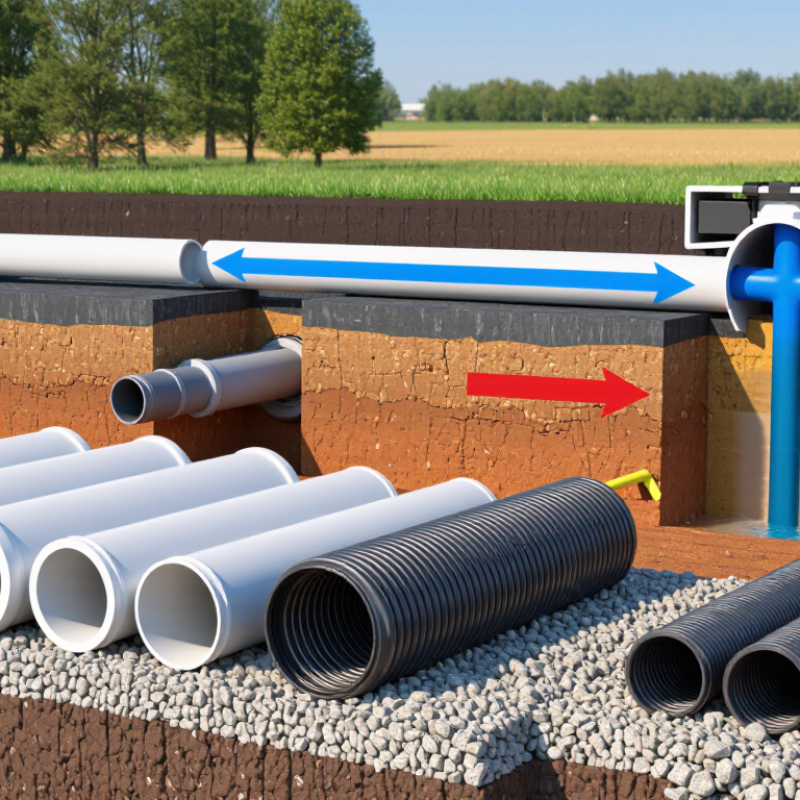
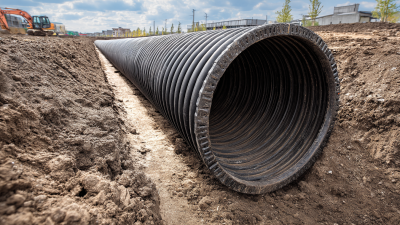
A leach field pipe carries treated effluent from the septic tank and spreads it through trenches. Its job is distribution, not treatment. Perforations release wastewater gradually into the surrounding stone and soil, where soil organisms help remove contaminants. Uneven flow can overload one section, leaving soggy ground while other areas stay underused. That matters. The U.S. EPA’s Septic Systems Overview reports that more than one in five U.S. households depends on septic systems, making reliable dispersal an important everyday infrastructure issue.
Pipe choice should match the system design, soil conditions, and expected flow—not just the trench’s visible dimensions. Check the specified diameter, material, perforation pattern, and installation slope against the approved plans. A pipe that is too level or poorly aligned may distribute effluent unevenly; excessive slope can send more flow toward the outlet end. Not glamorous. But it can affect the whole field. The USDA Natural Resources Conservation Service’s onsite wastewater guidance emphasizes designing treatment systems around site and soil conditions. A practical detail is easy to miss: crushed stone, root intrusion, or settling can obstruct openings or shift pipe alignment. EPA’s guidance also recommends regular septic-system inspections. Even careful selection cannot compensate for poor installation, and that distinction is worth remembering.
| Tip | What to Check | Practical Guidance | Why It Matters |
|---|---|---|---|
| 1. Match the pipe to its function | Solid conveyance pipe versus perforated distribution pipe | Use the specified solid pipe to carry effluent to the distribution area and approved perforated pipe where effluent is dispersed. | The wrong pipe type can release effluent in the wrong location or prevent even distribution. |
| 2. Confirm the required diameter | Design drawings, local regulations, and system flow requirements | Four-inch pipe is commonly used in residential drainfield layouts, but the approved design and local code determine the correct size. | Adequate capacity helps maintain reliable flow through the system. |
| 3. Choose an approved material | Material standard, wall strength, and approval for buried wastewater use | Select pipe materials permitted by the local authority and specified for the installation; options may include rigid plastic or other approved products. | Buried pipe must withstand installation loads and the conditions of the site. |
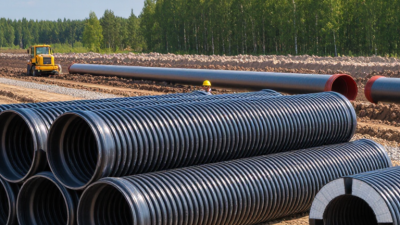
| 4. Check perforation details | Hole size, spacing, arrangement, and installation orientation | Follow the pipe manufacturer’s installation instructions and the approved plan; do not assume perforations should face a particular direction. | Correct perforations and orientation help distribute effluent as intended. |
| 5. Plan the grade carefully | Specified elevation, slope, and levelness of each distribution line | Install lines to the elevations and grade shown in the approved design. Many drainfield layouts require carefully controlled, nearly level distribution lines. | Excessive or uneven slope can cause effluent to reach one part of a line more readily than another. |
| 6. Check strength and site conditions | Burial depth, soil, groundwater, traffic, and expected loading | Use pipe with the required structural rating and protect the drainfield from vehicle traffic unless the design specifically allows it. | Loads and unsuitable site conditions can deform or damage buried pipe. |
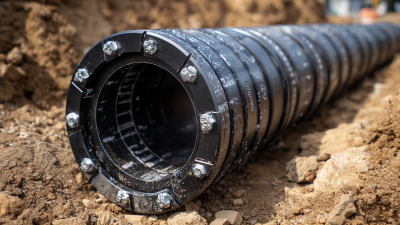
| 7. Verify connections and access | Compatible fittings, cleanouts, inspection points, and distribution components | Use compatible fittings and include access points where required by the design or local code; keep inspection and maintenance points accessible. | Sound connections reduce leakage, while accessible components make inspection and maintenance easier. |
Note: Pipe specifications, installation details, and permitted materials vary by system design and local requirements. Confirm selections with the approved plans and local permitting authority.