Top 10 Woven Geotextile Fabric Manufacturers Worldwide

Woven geotextile fabric may look like a simple grid of polymer yarns, but its performance depends on tensile strength, aperture size, permeability, and manufacturing consistency. On a road site, those properties can influence how aggregate is separated from soft subgrade. They matter just as much in erosion control and drainage applications. Buyers therefore need more than a product catalogue.

The market is growing, though estimates vary by research method. MarketsandMarkets’ Geotextiles Market report projected growth from about USD 8.2 billion in 2023 to USD 11.2 billion by 2028, reflecting rising infrastructure demand. These figures cover geotextiles broadly, not woven products alone. That distinction is easy to miss. Technical guidance also matters: Robert M. Koerner, a leading geosynthetics specialist, defines the wider material family as “planar products manufactured from polymeric material used with soil, rock, earth, or other geotechnical engineering related material as an integral part of a man-made project, structure, or system” in Designing with Geosynthetics.

This overview of the top 10 woven geotextile fabric manufacturers worldwide considers product range, production capability, quality systems, and evidence of use across real projects. A ranking is useful, but never complete. Regional availability, project specifications, and testing requirements can change the best choice. Company claims also deserve scrutiny; a polished datasheet is not field performance. Compare published test results, and ask how samples were tested. Those details are less glamorous. They can prevent costly assumptions.
Top 10 Woven Geotextile Fabric Manufacturers Worldwide

What Woven Geotextile Fabrics Are and How They Work

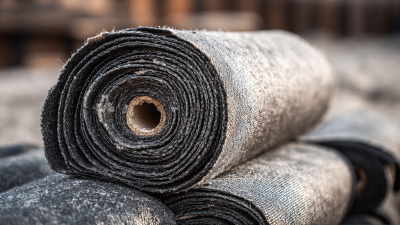
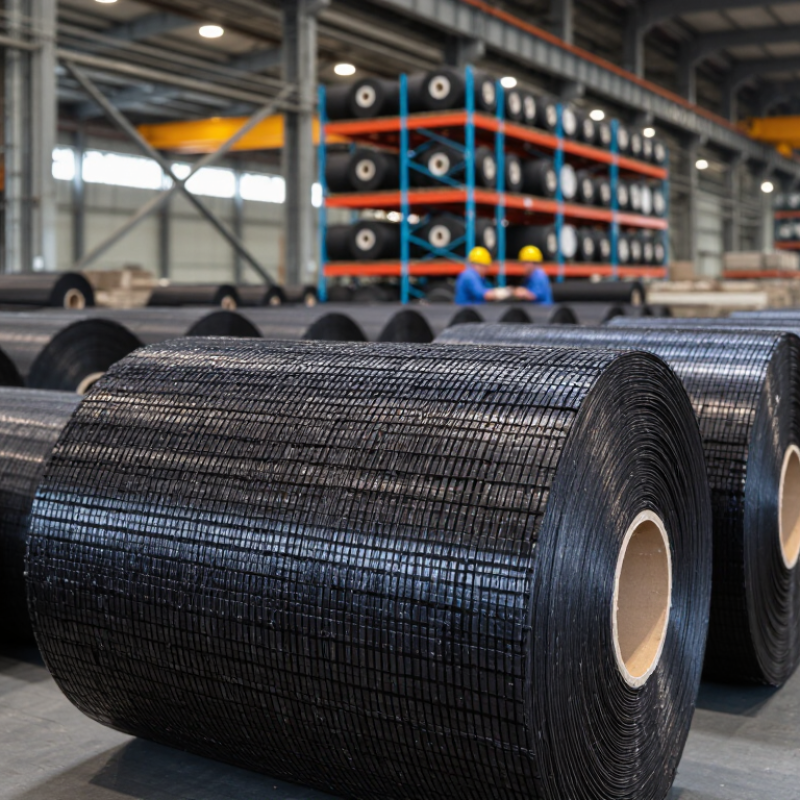
Woven geotextile fabric is made by interlacing polymer yarns in two directions, much like a close, regular grid. This structure gives the material useful tensile strength, especially when loads pull along the yarns. Many woven fabrics stretch less than nonwoven types, helping limit movement beneath roads, embankments, and temporary work platforms.

The exact performance depends on yarn, weave, and manufacturing quality. Small differences matter.

The fabric can separate soil layers while allowing water to pass through its openings. Soil retention depends on opening size, soil gradation, and water flow, so “permeable” does not mean suitable for every site. A properly selected fabric can help keep aggregate from mixing with soft subgrade.

During installation, crews should avoid wrinkles, excessive tension, and damage from sharp stone. Overlaps and seams also need to match the project design. Not a cure-all. Engineers typically compare product data with site conditions and, where needed, test the soil and fabric together. A fabric may look intact yet perform poorly if its openings or strength do not fit the ground.

How Global Manufacturers Are Evaluated and Compared

Comparing woven geotextile fabric manufacturers worldwide requires more than checking advertised tensile strength. Buyers should examine technical data sheets for tensile strength in both directions, elongation, apparent opening size, and water flow. Test methods matter: figures are useful only when manufacturers identify how and under what conditions they were measured. Ask for recent independent test reports, not just a polished product brochure.

Production consistency is another key measure. Request samples from different rolls and compare weave regularity, edge finish, and fabric weight. Small differences can signal variation between production batches. Check whether the manufacturer documents raw-material specifications, inspection steps, and roll identification. A clear traceability system makes it easier to investigate a defect later. It is not glamorous, but it matters.

Global suppliers also differ in order flexibility, lead times, packaging, and technical support. Confirm roll dimensions, core strength, moisture protection, and loading details before shipment. Ask how the supplier handles specification changes and nonconforming material. Response quality can reveal as much as a test sheet. Still, no checklist removes every uncertainty; a sample may not represent a full production run. That gap deserves attention. Compare evidence against the project’s soil conditions, installation method, and required service life, rather than treating one high number as proof of overall quality.

Top 10 Woven Geotextile Fabric Manufacturers Worldwide

The top 10 woven geotextile fabric manufacturers worldwide serve projects ranging from rural access roads to large drainage systems. Their products use interlaced yarns to provide separation and reinforcement beneath soil, aggregate, or pavement. Not every fabric suits every site. A road built over soft clay may require different tensile strength and elongation than a stable gravel path.

A useful manufacturer comparison looks beyond catalog descriptions. Check published test methods, tensile strength in both directions, UV resistance, roll width, and consistency between production batches. Ask how quality is monitored, and request documentation for the specific product grade. Details matter. A roll that arrives with uneven edges can slow installation, even when its headline strength looks suitable. Local technical support and dependable delivery also affect project performance.

There is no perfect global ranking. Public specifications may be incomplete, and products tested under different methods are hard to compare directly. That deserves a second look. Before choosing among leading suppliers, match verified data to the soil conditions, expected loads, exposure, and installation plan. A short trial on site can reveal handling issues that a datasheet cannot. I would not treat a low price as proof of value—or a polished brochure as proof of reliability.

Key Products, Capabilities, and Markets of the Leading Manufacturers

Leading woven geotextile manufacturers supply reinforcement and separation fabrics for roads, railways, ports, and other civil works. Their product ranges commonly include polypropylene or polyester fabrics, with different tensile strengths, opening sizes, and surface treatments. These properties affect how a fabric handles soil movement, water flow, and installation stress.

Production capability matters. Larger mills can deliver consistent rolls across long projects, while specialist plants may offer custom widths or tighter specifications. Quality checks often measure tensile strength, elongation, and mass per unit area. Details matter. A test sheet is useful, but it cannot fully predict performance in variable ground conditions. Site trials and engineering review still count.

Markets shape product choices. Road builders may need high-strength reinforcement beneath aggregate, while coastal and drainage projects often consider filtration and separation needs. Export suppliers also adapt packaging and technical documentation to different project requirements. One fabric rarely suits every soil or climate. Buyers should compare verified test data with project designs, and account for handling, seam strength, and installation damage. Those details are easy to overlook.

How to Choose a Woven Geotextile Fabric Manufacturer

A reliable woven geotextile fabric manufacturer should understand the conditions your project will face, not just offer a standard roll. Share details such as soil type, drainage needs, installation method, and expected exposure to sunlight or abrasion. A fabric used beneath a temporary access road may need different tensile strength and puncture resistance from one used for soil separation beside a drainage trench. Specifics matter.

Ask for technical data sheets and recent test reports covering tensile strength, elongation, apparent opening size, and water flow. Check the details. Confirm that the reported values match the product grade you plan to buy, and ask how production batches are checked. A tidy brochure is useful, but it cannot replace clear, traceable test information. Request a sample if possible; feeling the weave can reveal inconsistencies, though appearance alone proves little.

Production capacity, delivery schedules, and packaging deserve attention too. Rolls should arrive labeled and protected from damage, with dimensions that suit your site equipment and installation plan. Ask how the supplier handles specification changes or quality concerns after shipment. Ask for evidence. Price still matters, but the lowest quote may omit testing, dependable lead times, or practical technical support. I would compare suppliers using the same project specification, while remembering that no checklist can predict every field condition. Even careful buyers sometimes miss a detail. A qualified manufacturer should help identify those gaps before the first roll reaches the site.

Top 10 Woven Geotextile Fabric Manufacturers Worldwide — How to Choose

Areal-weight unit conversion reference for comparing woven geotextile product datasheets. These values are conversions, not manufacturer ratings or universal product grades.

1 oz/yd² equals approximately 33.906 g/m². When evaluating a manufacturer, compare stated mass alongside tensile strength, elongation, opening size, permeability, test methods, and project requirements.