What is a Storm Drain Pipe and How Does it Work for Water Management
Storm drain pipes play a crucial role in modern water management systems, efficiently directing excess rainwater away from streets and populated areas to prevent flooding and erosion. As urban areas continue to grow, the importance of effective stormwater management becomes increasingly apparent. Expert hydrologist Dr. Jane Thompson emphasizes this point: "Without a well-designed storm drain pipe system, many cities would face severe flooding and infrastructure damage during heavy rainfall."
Understanding the functionality of storm drain pipes helps us appreciate their significance in maintaining water quality and managing stormwater. These pipes collect runoff from impervious surfaces and transport it to treatment facilities or natural bodies of water, effectively reducing the risk of pollution and maintaining the ecosystem’s integrity. Dr. Thompson further notes, "Storm drain pipes are not just about drainage; they are critical components of sustainable urban planning."
As we delve deeper into the workings and benefits of storm drain pipes, we will uncover how they contribute to reducing urban flooding, protecting water quality, and enhancing the overall resilience of our cities against severe weather events. By recognizing their importance, we can foster more effective water management practices in our communities.

What is a Storm Drain Pipe?
A storm drain pipe is a critical component of municipal water management systems designed to control and direct excess rainwater and surface runoff. These pipes are strategically placed to efficiently transport water away from roads, parking lots, and other impermeable surfaces, preventing flooding and water accumulation. Typically made from durable materials like PVC or concrete, storm drain pipes connect to larger drainage systems, flowing into rivers, lakes, or treatment facilities.
Tips for homeowners: Regular maintenance of your property’s drainage systems is essential. Ensure that gutters and downspouts are clear of debris to allow for proper water flow into the storm drain pipe. Additionally, check that the drain itself is not obstructed by leaves or sediment, which can lead to backflow and localized flooding during heavy rainfall.
Understanding the complexities of your local storm drain system can also empower you to make informed decisions about landscaping. By incorporating permeable surfaces and rain gardens, you can help minimize runoff, allowing more water to be absorbed into the ground naturally. This not only supports local ecosystems but can also enhance your property’s aesthetic appeal while contributing to effective water management.
The Structure and Materials of Storm Drain Pipes
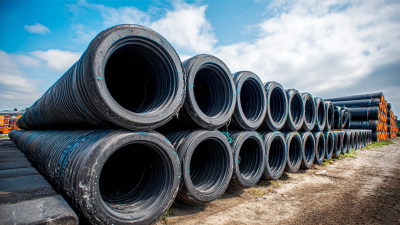
Storm drain pipes are essential components in urban water management systems, designed to efficiently channel rainwater and runoff away from streets and developed areas to prevent flooding and contamination. These pipes are primarily constructed from materials such as PVC (polyvinyl chloride), concrete, and HDPE (high-density polyethylene), each offering distinct advantages in terms of durability, flexibility, and resistance to environmental conditions.
According to a report by the American Society of Civil Engineers, the use of plastic storm drain systems like PVC has increased significantly due to their lightweight nature and corrosion resistance, which make installation and maintenance easier compared to traditional materials. A study highlighted that HDPE provides excellent hydraulic conductivity and can adapt to fluctuating environmental conditions, making it a favorable option for various terrains. Moreover, the choice of materials can significantly influence the overall longevity and performance of storm drainage systems, which, when properly designed, can enhance urban resilience against climate-related challenges.
The structure of storm drain pipes typically consists of a smooth interior surface to facilitate the rapid movement of water, reducing the potential for sediment buildup. Additionally, many modern systems incorporate perforated pipes or gravel filters that allow for the effective infiltration of water into the ground, contributing to groundwater replenishment. In line with changing environmental regulations and urban development needs, the evolution of storm drain pipe designs continues to focus on efficiency, sustainability, and the integration of green infrastructure practices.
How Storm Drain Pipes Function in Water Management
Storm drain pipes play a crucial role in urban water management systems, designed to efficiently manage surface water runoff and mitigate flooding risks. These pipes work by collecting rainwater and directing it away from streets and properties, channeling it into larger drainage systems or bodies of water. According to the U.S. Environmental Protection Agency (EPA), effective stormwater management can significantly reduce urban flooding and contribute to improved water quality by preventing pollutants from entering water bodies.
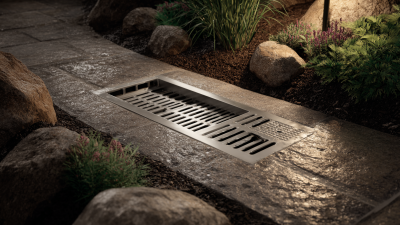
The functionality of storm drain pipes relies on a well-planned infrastructure that includes catch basins, conduits, and outfalls. When precipitation occurs, these systems capture water through grates or openings, filtering out debris before the water flows through the pipes. A report from the Water Research Foundation indicates that cities with well-maintained stormwater infrastructure can achieve up to a 50% reduction in localized flooding. Moreover, the use of permeable materials and green infrastructure can further enhance the capacity of storm drain systems, allowing for more sustainable water management practices that recharge groundwater and reduce urban heat islands.
Maintaining the operational integrity of storm drain pipes is essential for their effectiveness. Regular inspections and cleaning can prevent clogs and backups, ensuring that the system functions optimally during heavy rain events. As cities increasingly face the challenges posed by climate change, investing in advanced stormwater management practices, including the integration of smart technologies to monitor system performance, has become vital to enhance resilience against flooding and support sustainable urban development.
Common Applications of Storm Drain Systems
Storm drain systems play a crucial role in effective water management, especially in urbanized areas where impervious surfaces like roads and parking lots dominate. These systems are designed to quickly and efficiently handle excess stormwater runoff, preventing flooding and minimizing water pollution. According to the U.S. Environmental Protection Agency (EPA), improper stormwater management can lead to significant public health risks and environmental degradation; thus, implementing a robust storm drain system is essential for safeguarding our waterways.
Common applications of storm drain systems include urban infrastructure, residential areas, and industrial sites. In urban settings, they are integrated into roadways and parking lots to facilitate the swift removal of rainwater, which otherwise could overwhelm local drainage systems and cause hazardous flooding. Residential storm drains often involve catch basins that capture debris and sediment, preventing pollutants from entering larger water bodies. Industrial applications may require more sophisticated systems, such as oil-water separators, to treat runoff that may contain contaminants before discharging it into the environment. A report from the American Society of Civil Engineers highlights that improving stormwater systems can significantly reduce flood risk and enhance water quality, drawing attention to the necessity for updated infrastructure to meet the demands of growing populations.
Maintenance and Challenges of Storm Drain Pipes
Storm drain pipes are critical components in urban infrastructure, designed to efficiently manage excess rainwater and prevent flooding. However, maintenance is essential for their efficacy. Regular inspections are necessary to ensure that storm drains are free of blockages caused by debris, leaves, and sediment accumulation. Neglecting to maintain these systems can lead to serious water management challenges, such as localized flooding and water quality issues due to stagnant water.
One of the primary challenges faced in storm drain maintenance is the variety of pollutants that can enter these systems. From automotive fluids to trash, the runoff can introduce harmful substances into waterways, complicating the management process. Additionally, older drainage systems may have structural issues, such as cracks or collapses, which can exacerbate water flow problems. Implementing effective maintenance strategies, including routine cleaning, monitoring, and upgrading older pipes, is vital to overcoming these challenges and ensuring the longevity and functionality of storm drainage systems.