What is a Storm Drain Pipe and How Does It Work for Your Property
Storm drain pipes play a pivotal role in managing excess rainwater and preventing flooding in urban environments. According to John Smith, a civil engineering expert with over 20 years of experience in stormwater management, "A well-functioning storm drain pipe is essential for protecting properties from water damage and maintaining the integrity of our infrastructure." This highlights not only the functionality of these systems but also their significance in safeguarding both public and private spaces.
Understanding how storm drain pipes work can greatly benefit property owners, as effective drainage systems can mitigate potential water-related issues. When heavy rainfall occurs, storm drain pipes collect and transport water away from streets and buildings, directing it toward treatment facilities or natural bodies of water. This process helps maintain the natural water cycle and prevents overwhelming local waterways.
In this article, we will explore what a storm drain pipe is, its essential components, and how it functions to protect your property. By delving into the mechanics and importance of storm drain systems, homeowners can be better equipped to make informed decisions regarding their drainage needs and ensure that their property remains safe and dry during adverse weather conditions.

What is a Storm Drain Pipe and its Purpose in Property Management
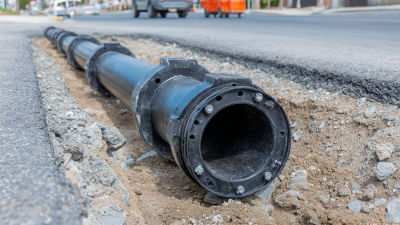
A storm drain pipe is a crucial component of property management, designed to efficiently manage excess rainwater and prevent flooding. These pipes channel runoff from impervious surfaces, such as roofs and driveways, directly into the stormwater drainage system. By doing so, storm drain pipes help protect landscapes and structures from water damage while maintaining the integrity of the property. Their strategic installation in urban environments ensures that heavy rainfall doesn’t lead to pooling water, which can create hazardous conditions and damage infrastructure.
In addition to safeguarding property from flooding, storm drain pipes play an essential role in environmental management. They facilitate the collection of rainwater, which can be redirected to treatment systems or natural waterways. This process not only helps to mitigate urban run-off pollution but also contributes to groundwater recharge by allowing water to penetrate the soil in designated areas. Proper maintenance and upkeep of storm drain systems are vital for effective stormwater management, ultimately enhancing the longevity and livability of properties.
The Components of a Storm Drain System and Their Functions
A storm drain system is essential for managing excess rainwater and preventing flooding on your property. At the core of this system are several crucial components, each designed to play a specific role. The storm drain pipe, for example, channels rainwater away from your roof and landscaping, directing it towards a designated drainage area or nearby body of water. Catch basins also contribute significantly by collecting debris and sediment, allowing clearer water to flow into the drainage pipes and minimizing blockages.
To enhance the efficiency of your storm drain system, consider periodic maintenance. Regularly check and clean your catch basins to prevent clogs, especially after heavy rains or storms. Additionally, installing filters in the drains can help catch smaller debris, which aids in protecting the pipes from potential damage.
Another key component is the outlet structure, which ensures that water is released in a controlled manner. This helps prevent erosion and protects nearby landscapes. When designing or upgrading your storm drain system, think about incorporating permeable pavement in your landscaping. This allows for better absorption of rainwater, reducing the burden on your drain pipes and promoting a healthier environment.
How Storm Drain Pipes Facilitate Water Drainage and Prevent Flooding
Storm drain pipes play a crucial role in facilitating efficient water drainage and preventing flooding in urban areas. By directing rainfall and surface runoff away from streets and properties, these systems help manage excess water that can lead to hazardous conditions. The design of stormwater drain systems, such as pipe and chamber systems, offers significant advantages over traditional drainage methods. They enhance capacity and accessibility for maintenance, allowing for better management of the water flow during heavy rains.
Cities around the globe are adopting innovative strategies to combat urban flooding, recognizing the importance of effective stormwater management. From Bengaluru to Copenhagen, various case studies illustrate how improved infrastructure and flood mitigation measures can make a noticeable difference in reducing flood risks. Investments in updated flood mapping, dedicated stormwater utilities, and maintenance of drainage systems are essential to keep up with changing climate conditions and urban development. Communities must stay proactive in managing their storm drain systems to mitigate the adverse effects of flooding and ensure public safety.
Maintenance Tips for Keeping Your Storm Drain Pipes Functional
Proper maintenance of storm drain pipes is essential for ensuring they function effectively and protect your property from flooding. Regular inspections should be conducted to identify any blockages or damage. Look for debris, leaves, and sediment accumulation, as these can impede water flow. Clearing these obstructions promptly can prevent more significant issues during heavy rainfall.
In addition to regular inspections, it is crucial to clean storm drain pipes periodically. You can use a hose or a vacuum to remove accumulated sediment and debris. For more stubborn blockages, consider hiring a professional service equipped with specialized tools. Additionally, encourage proper landscaping around your property to minimize the amount of debris entering the storm drains. This proactive approach helps maintain the drainage system and can extend the lifespan of the pipes, ultimately safeguarding your property from potential water damage.
What is a Storm Drain Pipe and How Does It Work for Your Property - Maintenance Tips for Keeping Your Storm Drain Pipes Functional
| Aspect |
Details |
| Purpose |
To manage stormwater runoff and prevent flooding. |
| Materials |
Typically made from concrete, PVC, or corrugated metal. |
| Types |
Grate inlets, catch basins, and trench drains. |
| Maintenance Frequency |
At least twice a year, or after heavy storms. |
| Common Issues |
Clogs from debris, sediment buildup, and structural damage. |
| Cleaning Methods |
Manual removal, pressure washing, or hydro vacuuming. |
| Signs of Problems |
Water pooling, slow drainage, and unpleasant odors. |
| Tips for Homeowners |
Keep surrounding areas clear, install a sediment trap, and consider professional inspections. |
Common Issues with Storm Drain Pipes and How to Address Them
Storm drain pipes are essential for managing excess rainwater and preventing flooding on your property. However, they can experience several common issues that may impede their effectiveness. One frequent problem is clogging due to debris, leaves, and sediment buildup. When drains are blocked, water cannot flow as intended, leading to localized flooding and potential damage to your landscaping and home foundation. Regular maintenance, including periodic cleaning and inspections, is vital in preventing these clogs and ensuring optimal function.
Another concern is deterioration of the pipes themselves, which can occur due to age, corrosion, or tree root intrusion. When storm drain pipes are compromised, it can result in leaks and further drainage issues. Addressing these problems typically involves repairing or replacing damaged sections of the pipe. In some cases, installing protective barriers or using root-resistant materials can help prevent future intrusion and extend the life of the storm drain system. Identifying and tackling these issues promptly can protect your property from costly water damage and enhance the overall efficiency of your drainage system.