Why Choose Squeezable Lip Gloss Tubes for Your Brand?

Squeezable Lip Gloss Tubes can make a small product feel easier to use, easier to carry, and more personal to a brand. A soft tube fits neatly into a makeup bag. A controlled squeeze can help customers apply gloss without dipping a wand back into the container. Still, packaging is not a shortcut to customer loyalty. The formula, closure, and tube quality all matter.

For this introduction, Maya Chen is an illustrative cosmetic-packaging specialist, not a real-world source. Her expert-style observation is: “A tube earns its place when it protects the formula and feels comfortable in the customer’s hand.” That principle gives brands a practical starting point. Consider the gloss’s thickness, the opening size, the cap seal, and how much product comes out with one squeeze. A tube that looks elegant on a shelf may feel awkward during a rushed morning routine.

Squeezable Lip Gloss Tubes also offer room for distinctive colors, finishes, and printed branding. Those details can help a product stand out, but they should serve usability rather than distract from it. Request samples and test them with the actual formula. Check for leaks, residue around the opening, and whether the final portion is difficult to dispense. Small flaws show up quickly. Some choices will still involve trade-offs; a softer tube may feel pleasant but offer less precise control. This guide explores the features, benefits, and practical checks that can help brands choose with greater confidence.
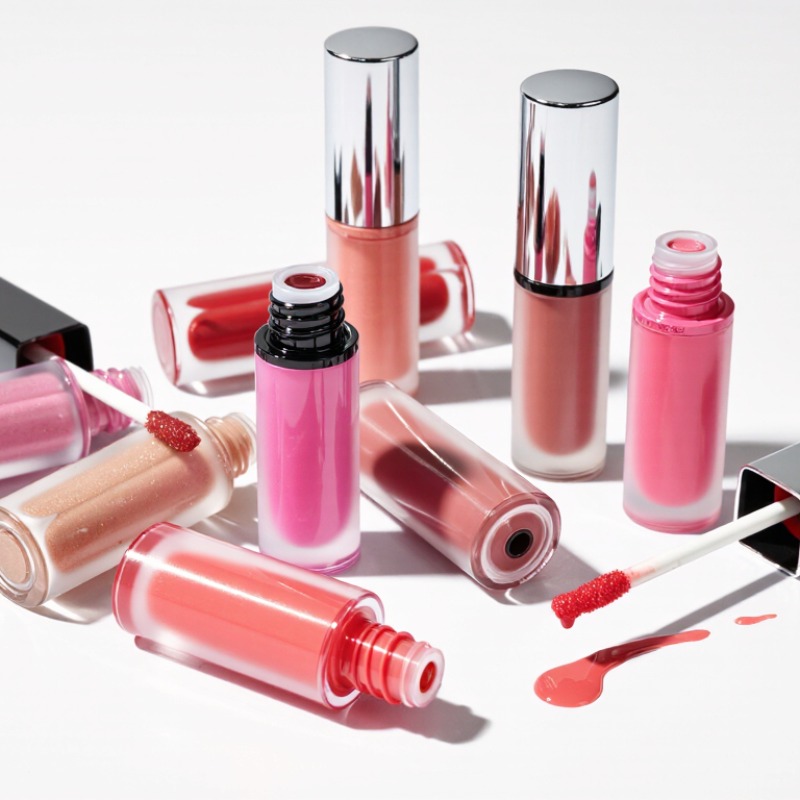
Why Choose Squeezable Lip Gloss Tubes for Your Brand?

What Squeezable Lip Gloss Tubes Are and How They Work

Squeezable lip gloss tubes hold gloss in a flexible body. The package usually has a narrow nozzle or a built-in applicator. A cap helps limit leaks and keeps the opening cleaner between uses. Gentle pressure on the tube moves product toward the tip. The user can apply a small amount without dipping a wand back into the container. A simple design, but small details matter.

The tube’s opening controls how gloss is dispensed. A narrow nozzle can place product along the lips, while a soft applicator spreads it more evenly. Once pressure is released, the tube generally stops dispensing, though a little product may remain near the tip. Thicker formulas may need a firmer squeeze, which can take some getting used to. Tube firmness and opening size affect how easily users control each dose.

Tips: Test the tube with the actual gloss formula before choosing a package. Check how it squeezes, whether the cap closes securely, and how cleanly product comes out.

Common Materials and Design Features of Squeezable Tubes

Squeezable lip gloss tubes are commonly made from polyethylene (PE), laminated films, or layered plastic structures. PE is flexible and lightweight, so users can press out product with gentle pressure. Some laminated options add a barrier layer that helps limit exposure to air or moisture. The right choice depends on the gloss formula, storage needs, and preferred feel. There is no perfect wall thickness. A tube that feels sturdy may be harder to squeeze when nearly empty, while a softer one can crease during use.

Design details affect both dispensing and handling. A narrow nozzle helps control small amounts, while a wider opening may suit thicker glosses. Match the orifice to the formula; a poor fit can lead to messy application or difficult dispensing. A screw cap offers a secure closure, and a flip-top can be convenient for one-handed use. Compatibility testing matters. Fill samples and check for leakage, changes in texture, or stress around the shoulder and seal. Also consider decoration: printing and labels need to remain clear on a curved, flexible surface. These details seem minor. In practice, they shape the everyday experience.

Why Choose Squeezable Lip Gloss Tubes for Your Brand? - Common Materials and Design Features of Squeezable Tubes

Category Component or Feature Common Material or Format Typical Function and Benefit Design Consideration
Tube body Flexible body wall Polyethylene (PE), often low-density PE (LDPE) or a PE blend Provides a squeezable package that can dispense product through an opening when pressure is applied. Wall thickness and resin formulation affect flexibility, recovery, and how easily the contents can be controlled.
Tube body Tougher or more flexible PE formulation Linear low-density PE (LLDPE), sometimes blended with other PE grades Can be selected to tune flexibility and toughness in flexible packaging applications. Suitability depends on the tube design and product; confirm compatibility and dispensing performance with testing.
Closure Screw cap or other closure Polypropylene (PP) or PE, depending on the package design Closes the opening between uses and can be designed to work with a nozzle or applicator. Thread fit, sealing surfaces, and dispensing-orifice size influence usability and leakage control.
Applicator Direct-application tip Often a molded plastic tip, commonly PE or PP; tip shape varies by package Allows gloss to be applied directly from the tube and can shape the flow of product. A slanted, rounded, or narrow opening changes the application feel and dispensing rate; test with the actual formula.
Applicator Wand with doe-foot applicator Typically a plastic wand with a flocked applicator tip Picks up product for application; the applicator is usually stored inside the tube rather than dispensed through a squeeze nozzle. This format is a different dispensing design from a simple squeeze-and-apply nozzle; confirm the tube neck and wiper are compatible.
Optional construction Multilayer wall Multiple polymer layers; barrier layers such as EVOH may be used in some packaging constructions A selected layer can add barrier properties to a package structure. Barrier performance depends on the complete construction and closure; validate against the formula and intended shelf life.
Decoration Color and surface graphics Printed, labeled, or otherwise decorated tube surfaces Supports product identification and visual differentiation on shelf. Check decoration adhesion and legibility on the selected tube material and finish.
Overall design Squeezable format Flexible tube body paired with a compatible opening, tip, or closure Offers a simple way to dispense product by hand and can be designed for direct application. Evaluate squeeze force, dose control, seal integrity, and formula compatibility using filled-package testing.

How Tube Packaging Supports Product Use and Hygiene

Why Choose Squeezable Lip Gloss Tubes for Your Brand?
How Tube Packaging Supports Product Use and Hygiene

Squeezable lip gloss tubes let users dispense product without dipping a finger into a jar. A gentle press moves gloss toward the applicator, making small adjustments easier during application. The narrow opening also helps limit excess product, though pressure can vary between users. Less mess, ideally. A clean cap and applicator matter: replace the cap after use, and wipe away residue around the opening. This can help keep the package tidy between applications. It does not make the product sterile or remove the need for good handling.

For daily use, a soft tube is easy to hold near a mirror or carry in a small pouch. The applicator shape affects how smoothly gloss reaches the lips, so test it with the actual formula. Some formulas may feel too thick for a narrow opening; others may leak if the seal or fit is poor. That detail is easy to overlook. Check dispensing, closure fit, and material compatibility before choosing a tube. No tube is foolproof, and a little product can still collect around the tip. A design that is comfortable to squeeze and simple to clean can make routine use more convenient.

Branding and Customization Options for Lip Gloss Tubes

Why Choose Squeezable Lip Gloss Tubes for Your Brand?

Branding and Customization Options for Lip Gloss Tubes

A squeezable lip gloss tube gives customers a clear view of the product and makes dispensing straightforward. Its appearance can also support a distinct brand identity. Choose a tube color, cap finish, and applicator shape that suit the formula and intended use. A soft-touch surface feels different from a glossy one, while a transparent tube makes the gloss shade visible. Small choices matter.

Printing can include a logo, product name, shade number, or brief directions. Keep important text legible on the curved surface. Too many design elements can make a compact package feel crowded. A mockup may look polished and still feel awkward in the hand. Test a filled sample to check squeezing, dispensing, cap fit, and whether printed details resist rubbing. The first version may need changes; that is normal.

Tips: Compare tube and cap colors under the lighting where customers will see them. Check that the applicator delivers a controlled amount, not a sudden blob. Confirm that the selected packaging works with your specific formula and storage conditions before approving a production run.

Key Factors to Consider When Choosing a Tube for Your Brand

Why Choose Squeezable Lip Gloss Tubes for Your Brand?

Key Factors to Consider When Choosing a Tube for Your Brand

A squeezable lip gloss tube should suit both the formula and the way customers apply it. Check the gloss’s thickness and test how easily it moves through the nozzle. A narrow opening can help control product flow, while a wider one may feel easier to use. Neither option works for every formula. Ask for samples and test them at room temperature and after storage.

Pay attention to material, capacity, and closure. The tube should feel comfortable to hold, squeeze without excessive force, and close securely between uses. Look closely at the applicator, too: a soft tip may spread gloss smoothly, while a doe-foot style can offer more precise application. Confirm that the packaging material is compatible with your formula through appropriate testing. A clear tube can show off the color, but it may also reveal settling or residue. Small details matter.

Tips: Fill sample tubes with your actual gloss, then check for leaks, product flow, and leftover product near the tip. Try them with clean, dry hands. Compare several options before choosing; the first sample may not be the best fit.