Why Are Lighting Controls Essential for Energy Efficiency?
Lighting Controls play a crucial role in enhancing energy efficiency in both residential and commercial spaces. These systems allow users to manage and optimize their lighting usage effectively. By adjusting light levels based on occupancy or natural daylight, lighting controls reduce energy wastage significantly.
The implementation of advanced lighting controls can lead to substantial savings. For instance, smart sensors can detect when a room is unoccupied, automatically turning off lights. This intuitive feature ensures that energy is only consumed when truly necessary. However, many building managers overlook the potential of these systems, leading to missed opportunities for improvement.
Despite their importance, lighting controls are not always easy to implement. There can be challenges in selecting the right technology and integrating it with existing systems. It requires expertise and careful planning. Often, companies postpone these upgrades due to perceived complexity or cost. Yet, these investments can yield long-term benefits and elevate overall building performance. Harnessing the power of lighting controls is essential for fostering a sustainable future.
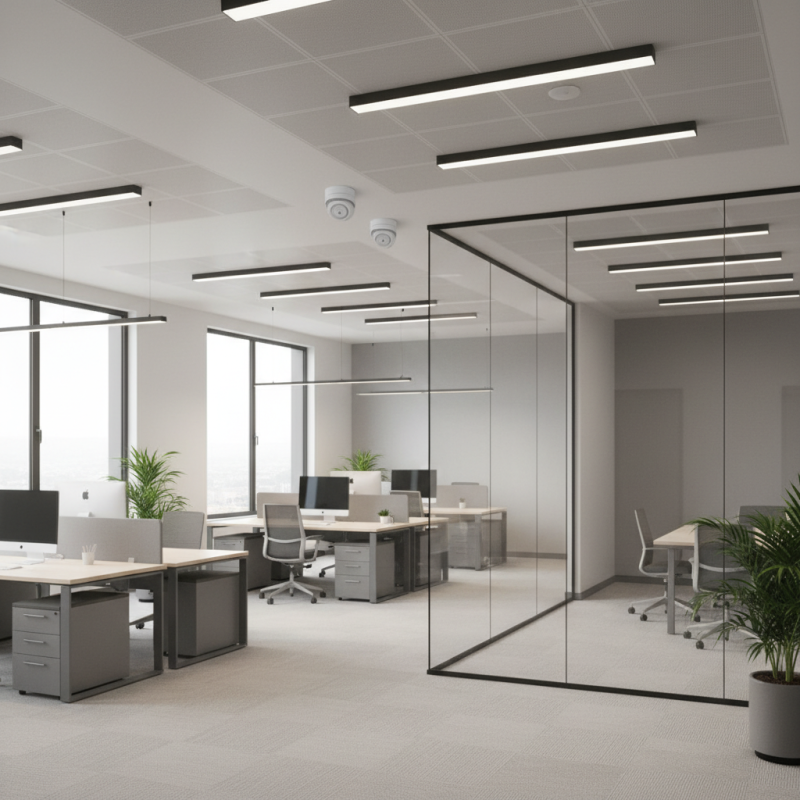
The Role of Lighting Controls in Energy Efficiency
Lighting controls play a crucial role in enhancing energy efficiency. By automatically adjusting the lighting based on occupancy and natural light, these systems reduce energy consumption significantly. Proper use of these controls can lower electricity bills and reduce the carbon footprint of buildings.
To maximize the benefits of lighting controls, consider these tips. First, implement occupancy sensors in less-frequented areas. This prevents lights from being on when no one is present. Second, integrate daylight sensors to adjust artificial lighting according to available natural light. This ensures spaces are well-lit at all times without wasting energy.
It's important to understand that not all lighting control systems are perfect. Some may not respond correctly to changing conditions. Regular maintenance and proper calibration are essential to ensure optimal performance. Engage with energy experts to evaluate which systems work best for your environment. This can lead to improved reliability and overall efficiency.
Types of Lighting Controls Available in Modern Systems
Lighting controls play a crucial role in enhancing energy efficiency. Modern systems offer a variety of controls that cater to different needs. Occupancy sensors automatically adjust light levels based on room usage, promoting savings while maintaining comfort. Dimmer switches help regulate brightness, enabling users to set the ideal ambiance. This flexibility can lead to significant energy reductions over time.
Consider using timers to switch lights on and off based on your schedule. This simple adjustment prevents energy waste when spaces are unoccupied. Integrating smart lighting systems can further enhance control over your environment.
However, it’s essential to regularly evaluate and optimize your settings. Over time, you may find certain controls support your lifestyle better than others.
When installing lighting controls, ensure they are user-friendly. Complexity can lead to underutilization, which negates their potential benefits. Regularly assess your lighting needs as they can change over time. Engaging with professionals for advice can provide greater insights. Your efficiency journey may require continuous learning and reevaluation.
Benefits of Implementing Lighting Controls for Energy Savings
Lighting controls play a crucial role in enhancing energy efficiency. They allow users to adjust brightness based on mood and activity. This adaptability leads to decreased energy consumption. For instance, dimming lights in unoccupied rooms can save significant amounts of electricity.
Implementing these controls can reduce utility bills. For commercial buildings, this can translate to thousands of dollars saved per year. Moreover, smart lighting systems can detect natural light and adjust accordingly, further minimizing energy usage. Yet, some may hesitate due to upfront costs or the learning curve involved with new technology.
It's essential to weigh the long-term benefits against initial investments. Regular maintenance and updates are required for optimal performance. The potential for energy savings is substantial, but ongoing evaluation is crucial. Organizations must be ready to adapt their lighting strategies as needs change over time.
Energy Savings Achieved through Lighting Controls
Case Studies: Successful Integration of Lighting Controls
Lighting controls play a pivotal role in enhancing energy efficiency. The integration of advanced controls can cut energy consumption significantly. For instance, a university study found that by using occupancy sensors and daylight harvesting, schools reduced their lighting energy by 30%. This reduction directly correlates with lower operational costs.
In one case study, a commercial office building achieved remarkable energy savings. They implemented a central control system that adjusted lighting based on occupancy and natural light levels. This system resulted in a 25% energy savings within the first year. Many buildings still do not utilize such controls. A significant portion of energy is wasted due to static lighting setups that fail to adapt to real-time needs.
Examining another example, a chain of retail stores installed dimming controls that adjust lighting throughout the day. They reported a drop in lighting costs by up to 40%. This strategy not only improved the ambiance but also reduced their carbon footprint. Despite these successes, many businesses hesitate to invest heavily in these technologies. The initial costs can be a barrier, yet the long-term savings are substantial. The need for greater awareness about lighting controls remains crucial in various sectors.
Future Trends in Lighting Control Technology and Energy Efficiency
The future of lighting control technology is promising. Smart systems are taking center stage, enabling energy efficiency on a new level. Sensors are now able to detect presence and adjust lighting accordingly. This not only cuts energy use but also adapts to user needs seamlessly. For instance, a hallway light dims when nobody is around. This direct response can lead to noticeable energy savings.
Another trend is the integration of daylight harvesting. Systems now combine artificial lighting with natural light. Shades automatically adjust to maximize daylight without compromising comfort. This approach promotes a healthier indoor environment while reducing reliance on electrical lighting. Yet, challenges remain. Not all spaces are equipped for full integration, and retrofit costs can be high.
Advanced algorithms are being developed to manage lighting more intelligently. Machine learning can predict usage patterns and adjust settings. However, this requires accurate data collection and analysis. Organizations need to balance privacy with efficiency. As technology evolves, users will need to confront these complexities while seeking better energy solutions.
The path toward future lighting control is not without hurdles, but the potential benefits are significant.