How to Improve Water Drainage for Your Property?
Water drainage is a critical aspect of property management. Proper drainage systems help prevent water damage and maintain landscape integrity. According to the American Society of Civil Engineers, approximately 14% of water-related damage comes from poor drainage practices. This statistic highlights the urgency for homeowners to assess their water drainage solutions.
Inefficient water drainage can lead to severe consequences. Flooding, soil erosion, and mold growth are common issues faced by property owners. A report by the Environmental Protection Agency indicates that more than 20% of U.S. homes experience drainage problems. This figure emphasizes the need for effective drainage strategies to enhance property value and aesthetics.
Homeowners often overlook essential maintenance. Regular inspections can identify potential issues before they escalate. By implementing appropriate drainage techniques, properties can manage stormwater more effectively. Investing in reliable systems not only protects your property but also contributes to environmental sustainability. Proper water drainage is not just an option; it is a necessity.
Assessing the Current Drainage System on Your Property
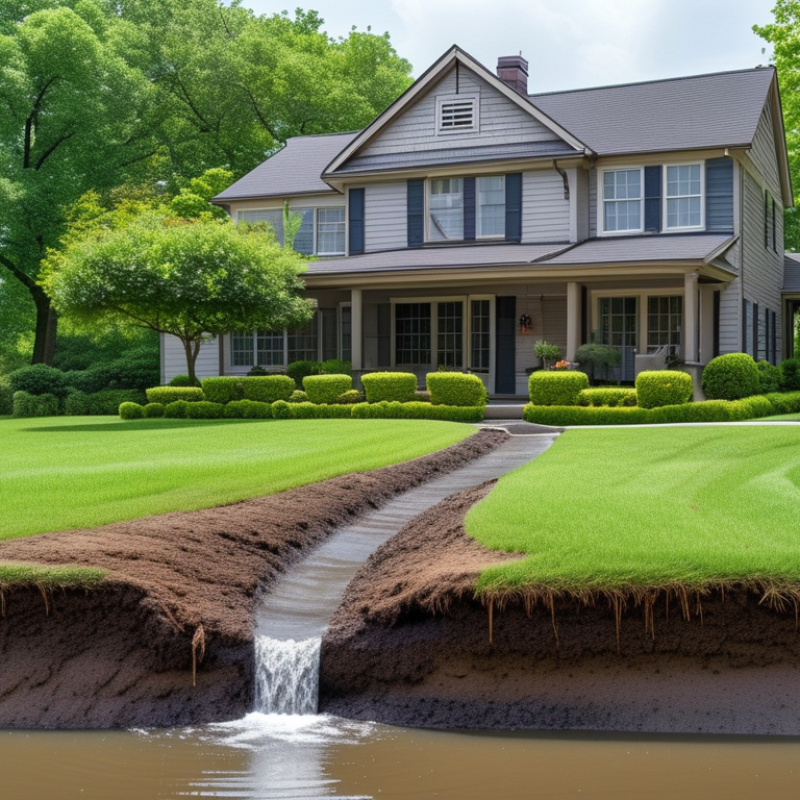
Assessing the current drainage system on your property is crucial for effective water management.
Begin by examining the natural slope of your yard. Water should flow away from your home.
Look for any low spots where water collects after rain. This stagnant water can lead to
foundation issues over time.
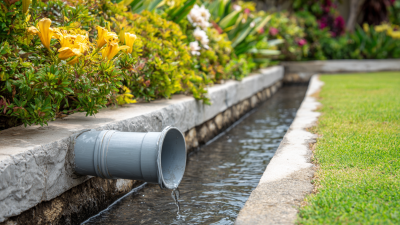
Inspect your gutters and downspouts. Ensure they’re free of debris and properly directing
water away from your foundation. Clogged gutters can overflow and cause damage, leading to
costly repairs. You might notice some sections need adjustment to enhance flow.
Consider these tips for improvement.
Adding garden beds can help absorb excess water. They promote evaporation and filtration.
Trenching around your perimeter can also redirect water away. If you find that your current
system fails to prevent pooling, a French drain may be a good option. Assessing your landscape
regularly can lead to proactive measures, ensuring a robust drainage solution.
Identifying Common Drainage Problems and Their Causes
Water drainage issues can undermine your property’s integrity. Common problems include pooling water, soggy lawns, and foundation damage. Identifying the root cause is the first step toward effective solutions. Poor soil structure can lead to inadequate drainage. Clay-rich soils absorb water slowly, making them prone to saturation. Compacted soil can also impede water movement, causing standing pools.
Additionally, improper grading is a significant issue. If your landscape slopes toward your home, water will flow directly to the foundation. This situation can promote erosion and seepage. Downspouts that pour water too close to the house create similar problems. They can lead to leaks in basements or crawl spaces. Addressing these aspects requires careful observation and planning.
It's important to recognize that not all solutions will be perfect or last indefinitely. Some might require frequent maintenance or adjustment based on seasonal changes. Installing drains or altering the landscape might provide temporary relief but often leads to new challenges. Regular inspections and a flexible approach are essential for long-term drainage success.
Exploring Effective Solutions for Enhancing Water Drainage
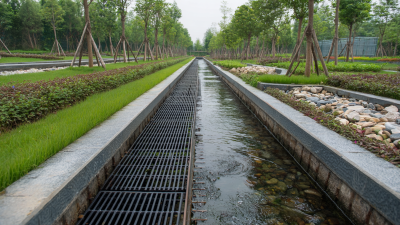
Improving water drainage is crucial for maintaining a healthy property. Effective solutions can minimize standing water and soil erosion. One common method is creating swales. These shallow, landscaped channels redirect runoff. They promote absorption and protect your foundation from water damage.
Another solution is installing permeable pavers. They allow water to seep through while providing a stable surface. This method can be applied in driveways or patios. However, some homeowners find they retain debris, requiring regular maintenance. Regularly cleaning these surfaces can enhance their efficiency.
Incorporating rain barrels is also effective. They collect rainwater from gutters, reducing runoff. Using this water for landscaping is environmentally friendly. Yet, ensuring proper installation is key to avoid overflow problems. Reflect on your current drainage methods. Are they truly sufficient? Addressing these issues early can save you from costly repairs later on.
Water Drainage Solutions Effectiveness
Implementing Landscape Design Strategies to Improve Drainage
Implementing effective landscape design strategies can substantially improve water drainage for your property. According to the American Society of Landscape Architects, about 30% of residential water problems stem from inadequate drainage. Incorporating features like swales can help direct excess water away from structures. Swales, or shallow ditches, are designed to manage water flow while enhancing the landscape’s aesthetic appeal.
Another key strategy is the use of permeable pavement. Reports indicate that permeable surfaces can reduce runoff by as much as 50% compared to traditional asphalt. This not only aids in water absorption but also mitigates flooding risks during heavy rains. Planting native vegetation is also essential; these plants require less water and naturally assist in soil stabilization, which reduces erosion.
It's important to reflect on existing drainage patterns and make adjustments as needed. Many property owners ignore signs of poor drainage until it’s too late. Regular inspection of landscaped areas can identify potential problems. Keeping an eye on plant health and soil condition is crucial. When planning, remember that even well-designed systems may require maintenance and periodic evaluation. Effective drainage strategies combine beauty with practicality, enhancing property resilience against water-related issues.
Maintaining and Regularly Inspecting Your Drainage Systems
Regular inspections of your drainage systems are essential for maintaining optimal water flow. Over time, debris can accumulate in gutters and pipes. This buildup can hinder drainage and lead to water pooling. Make it a habit to check these areas at least twice a year. Use a flashlight to look for clogs or blockages that may not be visible at first glance.
Pay close attention to the condition of the soil around your property. Soil erosion can negatively impact drainage. Check for any dips or irregularities where water may collect. If you notice signs of wear, consider adding mulch or planting grass to help retain soil. Regular weeding can also prevent unwanted growth that may obstruct water flow.
In addition, monitor your drainage systems after heavy rain. Difficulty in drainage may indicate underlying issues that need immediate attention. If you notice persistent pooling, there may be more complex problems at play. Be open to the possibility of consulting an expert when necessary. Being proactive can save you from more significant issues down the line. Always remember that a little regular maintenance goes a long way.