How to Choose the Best Water Saving Toilet for Your Home?
When considering home upgrades, the choice of a Water Saving Toilet can profoundly impact water usage. Many homeowners overlook the importance of selecting an efficient toilet. Yet, a well-chosen water-saving model can significantly reduce water bills. Not only does it help the environment, but it also supports sustainable living.
Understanding the various features of Water Saving Toilets is crucial. You'll find models with dual-flush options, pressure assist technology, and reduced water consumption rates. Each aspect plays a role in your daily water use. You may feel overwhelmed by the options available. This guide aims to simplify your decision-making process by highlighting essential factors to consider.
Though saving water is a priority, personal preferences and bathroom aesthetics matter too. Be mindful of how performance and design can affect your experience. Reflecting on your needs will ensure you select the perfect Water Saving Toilet for your home. Embrace the journey of upgrading, keeping both efficiency and style in mind.
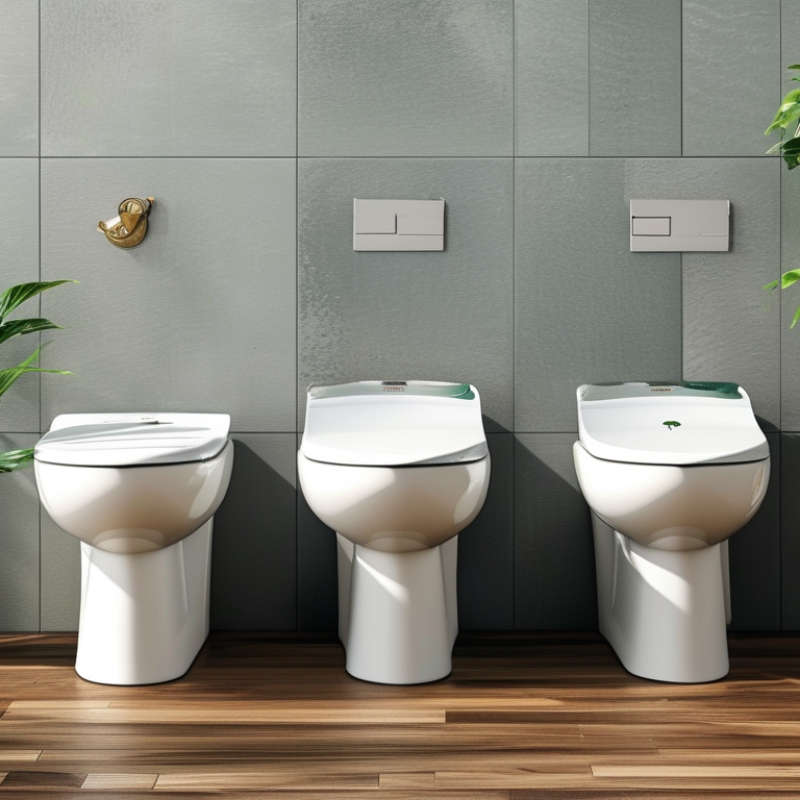
Understanding the Importance of Water Saving Toilets
Water-saving toilets play a crucial role in conserving water and reducing environmental impact. With the global water crisis deepening, choosing the right toilet can lead to significant water savings. Traditional toilets use up to 3.5 gallons per flush, while modern water-saving models use just 1.6 gallons or less. This change can dramatically lower water bills while also preserving this vital resource.
When selecting a water-saving toilet, look for models that are EPA WaterSense certified. These are tested for efficiency and performance. Additionally, consider dual-flush options that allow users to select a full or reduced flush. This adaptability can enhance water conservation further.
Pay attention to the flushing mechanism. A good quality toilet should flush effectively without wasting water. Look for user reviews to gauge reliability. Many toilets may claim efficiency but fail in practice, leading to clogs or wasted resources. Testing a model before buying can reveal its strengths and weaknesses. Always consider maintenance costs, too. A seemingly perfect model can fall short in the long run if it requires frequent repairs.
Water Saving Toilets Performance Comparison
This bar chart illustrates the average water consumption of various types of water-saving toilets measured in gallons per flush (GPF). The comparison highlights the efficiency of modern low-flow toilets against traditional ones, emphasizing the importance of water conservation.
Key Features to Consider When Choosing a Water Saving Toilet
Choosing the right water-saving toilet for your home is crucial. Start by checking the toilet's flush efficiency. Look for models that use 1.28 gallons per flush or less. Efficiency is key to conserving water without compromising performance.
Look at the design of the toilet. A one-piece design often offers better sealing, which helps prevent leaks. Two-piece models may be more affordable and provide more options in terms of aesthetics. Think about your bathroom space and how the toilet’s size will fit in.
Consider features like dual-flush systems. These allow you to choose a lighter flush for liquid waste and a stronger flush for solid waste. This flexibility can significantly reduce water usage. Bear in mind, though, that not all models perform equally well with both flush options.
Pay attention to the warranty offered. A longer warranty period usually indicates a manufacturer's confidence in the product's durability. Research online for customer reviews. Users often share their insights about long-term performance, which can be invaluable in your decision-making process.
Comparing Different Types of Water Saving Toilets
When selecting a water-saving toilet, it's essential to understand the various types available. Low-flow toilets are popular due to their efficiency. They use about 1.28 gallons per flush, which is significantly less than traditional models. However, some users report struggles with clogs, highlighting the need for a reliable flushing system.
Dual-flush toilets are another option. They feature two buttons for different flush volumes. A half flush uses about 0.8 gallons, while a full flush uses 1.6 gallons. This choice can be more eco-friendly, but some people find the mechanism confusing. It's crucial to consider your household's habits, as this may affect performance.
Gravity-flush models utilize the force of gravity to operate. Many users find them quieter and dependable. Yet, they may not be as efficient as other designs. More advanced pressure-assisted toilets can achieve a powerful flush but can be pricier and require maintenance. Each type has its pros and cons, prompting reflection on your specific needs before making a choice.
Evaluating Toilet Performance and Efficiency Ratings
Choosing the best water-saving toilet requires careful evaluation. Focus on performance and efficiency ratings. Look for models with WaterSense certification. This label indicates that a toilet meets specific efficiency standards.
When examining efficiency ratings, pay attention to gallons per flush (GPF). Toilets that use 1.28 GPF or less are more efficient. Assessing flushing power is essential. A weak flush can lead to clogs. Look for reviews that mention both water usage and flushing ability. Seek toilets that balance efficiency with performance.
Read user experiences to gain insights. Some may not fully appreciate the change. Occasionally, adjustments might be needed to match personal habits. Consider the design as well. An aesthetically pleasing model enhances your bathroom. A toilet should meet your needs while conserving water.
Budgeting for Purchase and Installation of a Water Saving Toilet
When budgeting for the purchase and installation of a water-saving toilet, start by determining your price range. Basic models can cost around $200, while high-efficiency options might reach $600 or more. Installation costs can vary significantly based on your location and plumbing requirements. Hiring a professional plumber is generally advisable, which can add an extra $100 to $300 to your total costs.
Consider any potential long-term savings as well. Water-saving toilets can reduce your water bill each month. On average, these toilets use around 1.28 gallons per flush, compared to traditional models that use up to 3.5 gallons. Calculate how much you’ll save over time. This perspective can make a higher initial investment seem worthwhile.
Evaluate additional factors like design and features, which may also affect the price. Some models offer advanced flushing technology or enhanced comfort features. However, reassess your priorities; a more expensive unit may not always be necessary for your home. The goal is to strike a balance between cost, function, and sustainability.
How to Choose the Best Water Saving Toilet for Your Home?
| Feature | Description | Estimated Cost |
| Flushing Mechanism | Gravity flush, dual-flush options for water efficiency | $200 - $450 |
| Water Consumption | Average use 1.28 gallons per flush (GPF) | N/A |
| Installation Type | Floor-mounted vs. wall-mounted toilets | $100 - $300 (installation cost) |
| Material | Ceramic, plastic, or porcelain options | $150 - $600 |
| Certification and Ratings | WaterSense certified for efficiency | N/A |
| Comfort Height | Higher bowl height for ease of use | Usually adds $20 - $50 |