Choosing reliable steel grating for sale suppliers requires more than comparing prices and product photos. A dependable supplier should provide accurate load data, clear material grades, consistent welding, and traceable quality documents. Buyers must examine the grating’s span, bearing-bar size, surface treatment, and intended environment. A walkway near seawater needs different protection than an indoor factory platform.
Dr. Michael F. Ashby, a respected materials-selection specialist, states, “Material selection is a process of optimization, not a single-property choice.” This principle fits steel grating closely. Stronger is not always better. Galvanized carbon steel may suit many industrial floors, while stainless steel can offer better resistance in corrosive areas. Press-locked grating may provide a clean appearance, but welded grating often suits heavier service. Small differences matter.
This guide reviews 10 best steel grating for sale suppliers worldwide. It considers manufacturing experience, product range, certifications, customization, delivery capability, and customer support. Supplier reputation matters. So does the fine print.
Some companies appear impressive online but provide limited technical evidence. That should raise questions. A polished catalog cannot replace verified drawings, sample testing, and responsive engineering advice. Buyers should also check whether stated standards match the project’s location and load requirements.
The ranking is not absolute. Local availability, freight cost, lead time, and site conditions can change the best choice. That is the uncomfortable part. A supplier rated highly for a coastal project may perform poorly for a fast-moving indoor installation. Careful comparison remains essential.
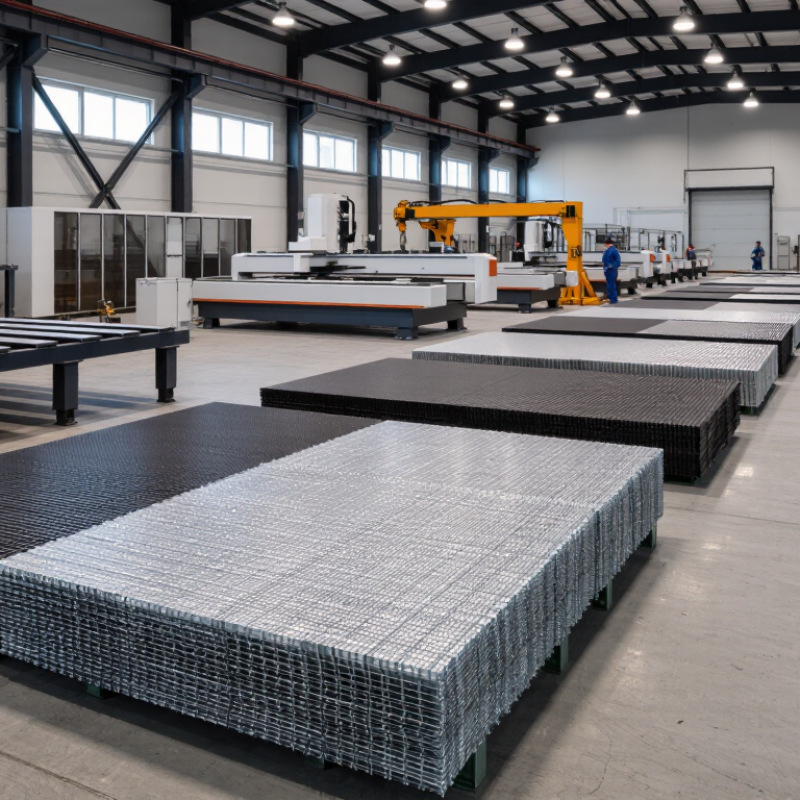
Steel grating combines open drainage, ventilation, and dependable load support. Common types include welded, press-locked, riveted, and swage-locked grating. Welded panels suit heavy industrial floors. Press-locked panels offer cleaner intersections and flexible patterns. Riveted grating can improve vibration control on walkways. Serrated bearing bars add traction in wet areas, although they may collect more debris.
Carbon steel is economical and widely specified for platforms, stairs, and trench covers. Stainless steel performs better in corrosive or hygienic environments. Aluminum reduces dead load, but it usually carries lower heavy-load capacity. The World Steel Association reported approximately 1.89 billion tonnes of crude steel production in 2023. This scale supports steel’s broad availability, but material quality still varies between suppliers.
Performance depends on bearing-bar depth, spacing, span, support conditions, and surface finish. Galvanizing under ASTM A123/A123M can improve atmospheric corrosion resistance. Load tables must match the actual span, not only the panel size. Safety guidance from OSHA emphasizes secure walking surfaces and suitable access conditions. These details are easy to overlook. I still see projects choosing grating by appearance alone.
Tips: Request mill certificates, coating records, and tested load data before purchasing. Check serration height, panel tolerances, clip compatibility, and edge protection. For coastal sites, compare galvanized steel with stainless steel through lifecycle cost, not price alone. A small design review can prevent noisy, slippery, or difficult-to-replace panels.

Choosing among the 10 best steel grating suppliers worldwide requires more than comparing catalog prices. Evaluate how each supplier controls quality from raw material to shipment.
Request mill certificates, heat numbers, and dimensional inspection records for every proposed batch. Confirm the steel grade, bearing bar size, crossbar spacing, surface finish, and allowable tolerance. A reliable supplier should provide samples before receiving a large order. Details expose risk. Check whether welds remain clean and consistent under close inspection. Ask for load-test reports from an independent laboratory, especially for platforms, walkways, and vehicle areas.
Visit the production site when possible, or arrange a live video audit. Look for organized cutting areas, calibrated measuring tools, safe storage, and clear traceability labels. Experienced suppliers can explain corrosion protection, drainage, installation clips, and packaging without avoiding technical questions. They should also understand your destination’s accepted standards and inspection expectations. Paperwork matters.
Assess delivery reliability through production schedules, packing photos, and previous export references. Confirm how bundles are protected against moisture, impact, and deformation during ocean transport. Communication is another practical test; vague answers before payment rarely improve later. I have seen attractive quotations hide weak tolerances and incomplete documentation. That mistake is easy to make when price dominates the review. A balanced evaluation should include quality evidence, engineering support, production capacity, response time, and realistic after-sales assistance. Even a strong supplier may need closer supervision on a first order.
Reliable steel grating suppliers usually offer more than standard walkway panels. Their ranges may include welded, press-locked, riveted, serrated, and heavy-duty grating. Serrated surfaces improve traction around wet platforms and industrial stairs. Plain surfaces suit dry access floors and drainage covers. Galvanized finishes provide practical corrosion resistance in outdoor environments. Custom cutouts also support pipes, columns, and irregular equipment bases.
Market coverage matters as much as product selection. Strong suppliers serve construction, energy, water treatment, transport, and manufacturing projects across several regions. They should explain shipping terms, production capacity, packing methods, and export documentation clearly. Local stock can reduce delays, while regional fabrication may simplify urgent replacement orders. Ask whether drawings are reviewed by trained engineers before production. Small errors in bearing-bar direction can create expensive installation problems.
Product samples reveal details that catalogs often hide. Check weld consistency, panel flatness, surface finish, and stated load data. Request material certificates and inspection records for safety-critical applications. No supplier is perfect. Some offer broad coverage but limited customization, while others provide precise fabrication with slower delivery. That trade-off deserves honest evaluation. A dependable supplier communicates realistic tolerances, not attractive promises. Experiences from previous projects should guide the final choice, especially where forklifts, heavy rain, or frequent foot traffic are involved.
Choosing steel grating suppliers worldwide requires more than comparing catalog photos. In field projects, I check load tables, bearing bar dimensions, weld spacing, and surface finish. A reliable supplier shares mill certificates and batch traceability before purchase. Hot-dip galvanized surfaces should look continuous, without bare patches, heavy zinc drips, or trapped ash. Request sample panels when walkways face salt air, forklifts, or repeated drainage. Quality becomes visible under pressure. Still, a polished sample may not represent every shipment. Include inspection rights and measurable acceptance limits in the purchase contract. Ask how rejected panels are replaced, and who pays freight. That answer often reveals operational maturity.
Customization affects both fit and total cost. Suppliers should confirm trench dimensions, cutout locations, mesh openings, load class, edge banding, and fastening hardware. Small drawing errors can create expensive site modifications. Pricing deserves a line-by-line comparison. Separate steel weight, galvanizing, fabrication, packing, testing, inland transport, and ocean freight. The lowest quotation can hide thin bars or excluded accessories. Certification claims need verification. Check the issuing body, standard edition, test scope, and certificate validity. For safety-critical platforms, request independent load testing and welding records. I once treated certification wording as sufficient; that was too optimistic. A clearer checklist would have prevented uncertainty. Choose the supplier that documents limits honestly, not the one promising everything.
| Rank | Supplier Profile | Primary Market | Core Product Range | Material & Quality Indicators | Customization Capability | Typical Price Range | Typical Certifications & Standards | Estimated Lead Time | Best Fit |
|---|---|---|---|---|---|---|---|---|---|
| 1 | Profile A — High-volume export manufacturer | East Asia | Welded, press-locked, stair treads, trench covers, handrail panels | Mild steel and stainless steel; load-bearing designs commonly supplied to EN 10025 or ASTM A36 requirements; hot-dip galvanizing available | High: custom panel sizes, bearing-bar spacing, serrated surfaces, cut-outs, banding, and CAD-based fabrication | US$650–1,250 per metric ton, FOB, depending on finish and order volume | ISO 9001; ISO 14001 often available; ASTM A123 or ISO 1461 galvanizing documentation by order | 20–35 days | Large industrial projects |
| 2 | Profile B — European compliance-focused fabricator | Western Europe | Welded floor grating, press-locked panels, stair treads, safety platforms | Traceable carbon steel and stainless steel; dimensional control aligned with EN 1090 project requirements where applicable | High: engineered layouts, anti-slip serrated bars, edge bars, support clips, and project-specific drawings | €1,200–2,200 per metric ton, ex works | ISO 9001; EN 1090-1 documentation where within scope; ISO 1461 or EN ISO 1461 coating references | 25–45 days | EU-regulated projects |
| 3 | Profile C — North American stock-and-custom supplier | North America | Welded steel grating, aluminum grating, stair treads, removable trench covers | Commonly specified to ANSI/NAAMM MBG standards; carbon steel, stainless steel, and aluminum options | Medium to high: standard stock panels plus custom cut-to-size fabrication and serrated load bars | US$1.80–4.50 per lb for carbon steel products, excluding freight and special finishes | ISO 9001 or equivalent quality systems; ANSI/NAAMM MBG specifications; ASTM A36 and ASTM A123 options | 5–25 business days | Fast domestic delivery |
| 4 | Profile D — Middle East infrastructure supplier | Gulf Cooperation Council region | Heavy-duty galvanized grating, access platforms, stair treads, drain covers | Heavy-load carbon steel; corrosion-resistant hot-dip galvanized finishes for outdoor and process environments | High: heavy-duty bearing bars, anti-slip profiles, custom supports, and modular platform packages | US$950–1,700 per metric ton, delivered regionally depending on quantity | ISO 9001; ISO 1461 or ASTM A123 galvanizing requirements; project-specific oil and gas approvals may apply | 20–40 days | Oil, gas, and utilities |
| 5 | Profile E — South Asian project fabricator | South Asia | Mild-steel grating, galvanized panels, stair treads, cable-tray covers | Carbon steel and stainless steel; material test certificates and galvanizing thickness reports available on request | High: non-standard dimensions, welded frames, support brackets, and project bill-of-materials fabrication | US$700–1,350 per metric ton, FOB or CFR depending on destination | ISO 9001; ASTM A36, ASTM A123, EN 10025, and ISO 1461 options depending on contract | 25–45 days | Value-focused procurement |
| 6 | Profile F — Stainless and hygienic-environment specialist | Northern Europe | 304/316 stainless steel grating, hygienic flooring, removable panels, drain covers | AISI 304 and AISI 316 grades; pickled, passivated, electropolished, or mill-finish options | High: hygienic edge details, close-mesh panels, custom openings, and corrosion-resistant fasteners | €3,500–8,000 per metric ton, depending on stainless grade and surface treatment | ISO 9001; EN 10088 stainless-steel material references; food or pharmaceutical documentation when specified | 30–50 days | Food and chemical facilities |
| 7 | Profile G — Latin American local-stock distributor | Latin America | Standard welded grating, galvanized panels, stair treads, access covers | Common carbon-steel grades; stocked dimensions reduce lead time; galvanizing and paint systems available | Medium: standard-size stock with local cutting, framing, drilling, and limited custom fabrication | US$1.20–2.80 per kg for standard carbon-steel products | ISO 9001 may be available; ASTM, EN, or local standards confirmed according to purchase order | 3–20 business days | Maintenance and repairs |
| 8 | Profile H — Infrastructure and municipal works supplier | Eastern Europe | Heavy-duty welded grating, roadway drain covers, stair treads, bridge walkways | High-load carbon steel designs; structural calculations and load tables typically supplied for public works | High: heavy load ratings, locking systems, custom frames, and drainage-oriented designs | €900–1,700 per metric ton, ex works or delivered regionally | ISO 9001; EN 1090 documentation where applicable; EN 124 may apply to certain access-cover applications | 25–45 days | Municipal infrastructure |
| 9 | Profile I — Offshore and marine-grade supplier | East Asia and Southeast Asia | Galvanized grating, marine stair treads, serrated platforms, offshore walkways | Carbon steel, aluminum, and 316 stainless steel; serrated surfaces and corrosion-protection systems emphasized | High: marine clips, bolted panels, custom nosings, toe plates, and corrosion-resistant accessories | US$1,100–2,600 per metric ton, excluding marine freight and special inspection | ISO 9001; ISO 1461 or ASTM A123; project inspection may include EN 10204 3.1 material certificates | 30–55 days | Ports and offshore facilities |
| 10 | Profile J — Architectural and light-duty custom fabricator | Oceania | Decorative grating, aluminum panels, pedestrian walkways, architectural screens | Aluminum, stainless steel, and painted carbon steel; appearance, finish consistency, and dimensional accuracy prioritized | Very high: bespoke patterns, laser-cut borders, unusual shapes, powder coating, and architectural detailing | A$2,000–5,500 per metric ton equivalent, excluding design and installation services | ISO 9001 or equivalent; AS/NZS 4680 may apply to hot-dip galvanized fabricated steel; project-specific building standards | 20–50 days | Architectural projects |
| Buyer checklist: Confirm bearing-bar dimensions, cross-bar spacing, design load, steel grade, surface finish, galvanizing standard, slip resistance, panel tolerances, inspection documents, packaging, Incoterms, and freight costs before placing an order. | |||||||||
Selecting the right steel grating supplier starts with your project conditions, not a supplier’s sales ranking. Define the span, design load, opening size, panel dimensions, and installation environment. A pedestrian walkway beside the sea needs different protection than an indoor maintenance platform. Salt spray can expose weak coatings quickly.
Ask for technical drawings, material certificates, welding details, and load tables before comparing prices. A reliable supplier should explain whether the grating uses welded, press-locked, or riveted construction. Request samples when surface finish matters. Hold one in your hand. Check its weld consistency, edge alignment, burrs, and actual bar dimensions. Small defects can become serious under repeated traffic.
Supplier experience also matters. Look for documented projects with similar loads, climates, and delivery requirements. Confirm production capacity, inspection procedures, packaging methods, and replacement policies in writing. Traceable batch records are valuable when several shipments arrive months apart. Communication should be precise, especially when drawings change.
Do not choose from price alone. The cheapest panel may require extra supports, frequent repairs, or costly site cutting. I have seen specifications accepted too quickly, then revised after installation began. That mistake is avoidable, though not always obvious during purchasing. Compare total project cost, lead time, tolerances, and technical support. Ask who checks the final dimensions before dispatch. A careful answer often reveals more than a polished brochure.
The chart compares commonly specified bearing-bar depths used in industrial steel grating. Larger depths generally provide greater load-carrying capacity, but the correct selection also depends on span, bearing-bar spacing, applied loads, surface treatment, corrosion conditions, and the applicable project standard. Confirm final dimensions and structural calculations with the supplier before purchasing.
Reference basis: common nominal grating dimensions and terminology used in EN 10025, ASTM A123/A123M, ANSI/NAAMM MBG 531, and ISO 14122-2. Product availability and load ratings vary by manufacturer and project requirements.