Best Septic Pipe Options for Global Buyers Today?
When it comes to installing a septic system, choosing the right septic pipe is crucial. Experts emphasize the importance of quality in this area. John Smith, a renowned septic system consultant, states, "The right septic pipe can make or break your system's effectiveness." This highlights the significant impact that pipe selection has on functionality and longevity.
Globally, buyers face various options. Different materials and designs can either enhance or hinder performance. For instance, PVC and ABS pipes offer durability but have different installation requirements. While PVC is lightweight and easy to handle, ABS is resistant to certain chemicals. Understanding these differences is vital for making informed choices.
As the septic pipe industry evolves, innovations emerge. However, not all new products prove reliable. Buyers should research extensively and consult experts. The goal is to ensure a sustainable, efficient waste management solution that stands the test of time. Quality should never be compromised.
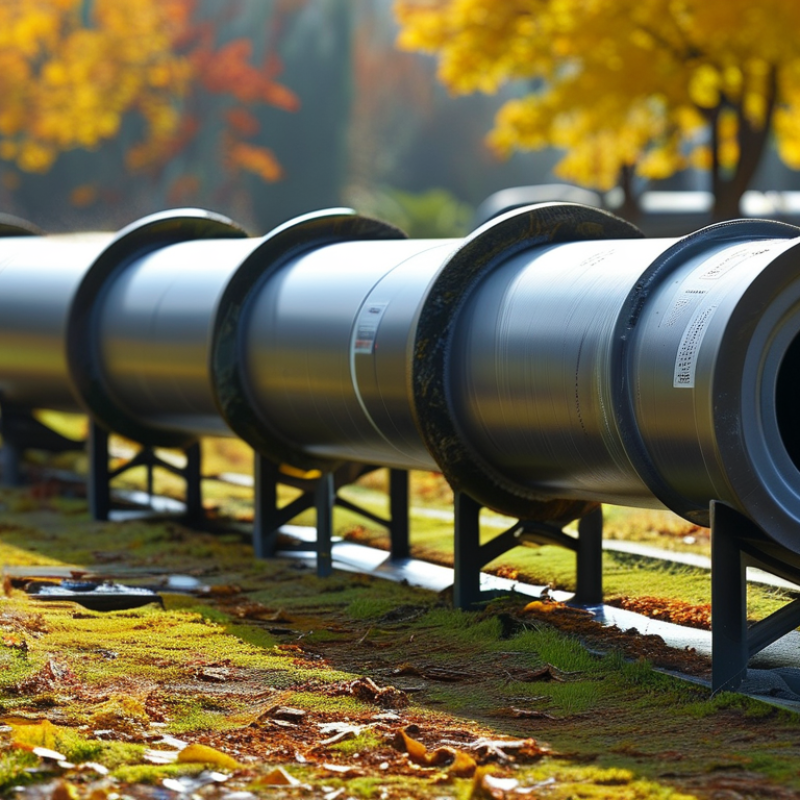
Best Septic Pipe Materials: A Comprehensive Overview of Options
When choosing septic pipe materials, several options stand out due to their durability and effectiveness. PVC pipes are commonly used for their lightweight nature and ease of installation. They resist corrosion and are less likely to crack. This makes them a popular choice for many installations. However, they are not entirely immune to damage from extreme temperature fluctuations. Therefore, careful consideration is essential.
Concrete pipes offer a strong alternative, especially for larger systems. They are highly durable and can withstand significant pressure. However, they can be heavy and cumbersome to work with. Additionally, the installation process may require more time and specialized equipment. It’s crucial to ensure proper sealing to avoid leaks, which can lead to costly repairs down the line.
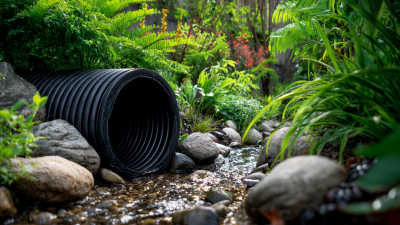
Another option is HDPE, or high-density polyethylene. Known for its flexibility, HDPE can adapt to ground movement. This quality can reduce the risk of breaks and leaks over time. However, it tends to be more expensive than PVC. Each material has its pros and cons. The best choice often depends on specific site conditions and regulations. Buyers should assess their needs carefully and consult with experts to ensure optimal performance.
Comparative Analysis of PVC, ABS, and PE Pipes in Septic Systems
In septic systems, pipe selection is crucial. PVC, ABS, and PE pipes each offer unique benefits. PVC is favored for its durability and affordability. It resists corrosion and is lightweight. However, it can become brittle over time, especially in colder climates.
ABS pipes are stronger and can withstand extreme temperatures. They are also easier to install due to their lighter weight. On the downside, these pipes may be more susceptible to UV damage. Meanwhile, polyethylene (PE) pipes provide flexibility and superior resistance to cracking. This makes them ideal for installations in shifting soils. Yet, they can be more expensive compared to PVC and ABS options.
When selecting pipe types, consider local climate and soil conditions. Each material has its strengths and weaknesses. Investigate and weigh these factors carefully. Regular inspections and maintenance can help identify potential issues early. This ensures your septic system runs efficiently for years.
Industry Standards and Regulations for Septic Pipe Selection Worldwide
Choosing the right septic pipe is critical for effective wastewater management. In many regions, local regulations dictate the materials and installation methods for septic systems. Buyers must consider these industry standards to ensure compliance and longevity. For instance, materials like PVC and ABS are popular due to their resistance to corrosion and structural integrity. However, not all areas accept these materials.
Understanding the testing and approval processes is essential. Certain countries require pipes to be certified for specific pressure ratings and durability tests. When selecting a pipe, examine its compatibility with local soil conditions. Soil type can affect how easily wastewater is absorbed, which impacts pipe selection. It’s a nuanced decision requiring thorough research.
Buyers may find discrepancies in guidelines across regions. Some areas prioritize eco-friendly options, while others focus on cost. This inconsistency makes it vital to consult local experts or regulators. Engaging with professionals offers insights and ensures compliance with applicable standards. A thoughtful approach leads to better outcomes and improves system efficiency.
Best Septic Pipe Options for Global Buyers Today?
| Pipe Material |
Diameter (inches) |
Length (feet) |
Pressure Rating (psi) |
Global Standards Compliance |
| PVC |
4 |
10 |
160 |
ASTM D3034 |
| ABS |
4 |
10 |
200 |
ASTM D2661 |
| HDPE |
6 |
20 |
160 |
ASTM D3350 |
| Concrete |
8 |
12 |
Varies |
ASTM C76 |
| Cast Iron |
4 |
10 |
100 |
ASTM A74 |
Cost-Benefit Analysis: Long-Term Performance of Various Septic Pipes
When considering septic pipe options, long-term performance is key. According to the American Society of Civil Engineers, proper material selection can significantly impact lifespan. PVC pipes, for instance, are lightweight and resistant to corrosion but may not withstand extreme temperature changes. In contrast, concrete pipes are robust and durable, with an expected lifespan of over 50 years, but they are prone to cracking under certain conditions.
Cost analysis reveals that while initial investments vary, maintenance expenses can differ greatly. A study published by the National Association of Plumbing Contractors indicates that homeowners can expect PVC pipes to incur frequent repairs after 15 years. Conversely, concrete pipes tend to require less frequent maintenance. However, the upfront cost of concrete is higher, potentially deterring some buyers.
It's essential to weigh these factors against local conditions. Soil type, climate, and usage patterns all influence performance. Some regions report that flexible HDPE pipes are effective in unstable soil. These pipes offer adaptability, yet their long-term performance in harsh environments is still under review. Careful consideration of these elements is crucial for making informed decisions in septic system installations.
Environmental Impact of Different Septic Pipe Materials on Ecosystems
When considering septic pipe materials, the environmental impact is crucial. Different materials can significantly affect local ecosystems. For example, PVC pipes are prevalent due to their affordability and lightweight nature. However, they take centuries to decompose, posing a long-term threat to soil and water quality. Their production process also releases harmful chemicals, impacting air quality.
Concrete pipes are another option. They are sturdy and often last longer than plastic alternatives. Yet, their heavy weight means more energy is required for transportation. This translates into a larger carbon footprint. Moreover, concrete can leach substances that may affect groundwater quality.
Some manufacturers have begun exploring biodegradable materials. While promising, the effectiveness and durability of these options are still under scrutiny. There is a delicate balance between practicality and ecological responsibility. Buyers must weigh the pros and cons carefully. Sustainable choices may help protect ecosystems but often come with higher costs or logistical challenges. Each decision carries hidden consequences.