What are the Best Drainage Systems for 2026?
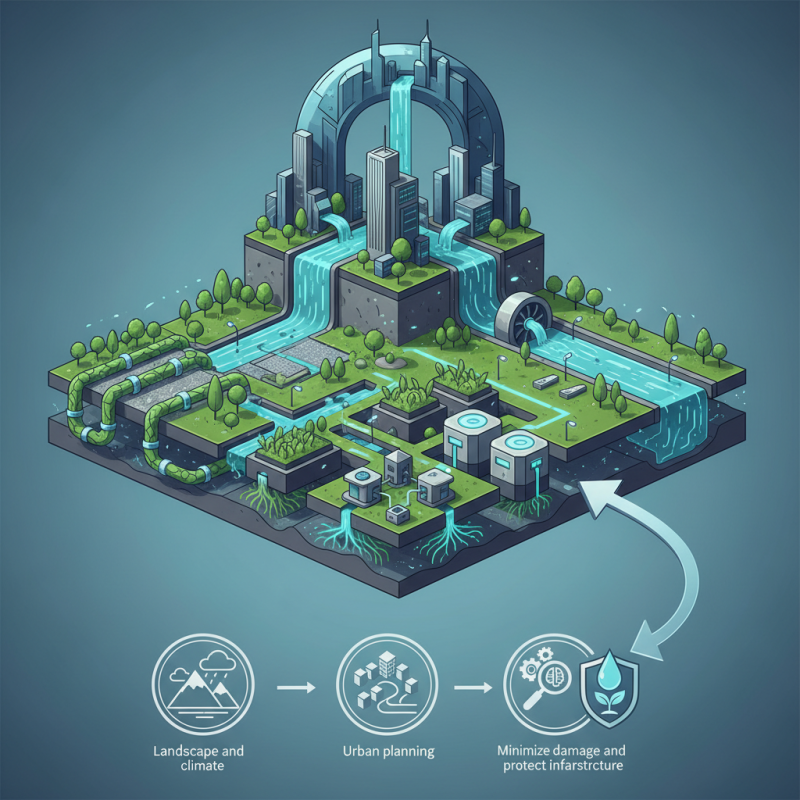
As we look ahead to 2026, effective drainage systems will be more crucial than ever. Urbanization and climate change pose significant challenges for water management. Cities face increased flooding risks, making reliable drainage solutions essential. Selecting the right systems can minimize damage and protect infrastructure.
Innovative drainage systems are emerging to tackle these issues. These systems must handle heavy rainfall and efficiently direct water away from populated areas. Important features include sustainable materials and advanced technology that enhances performance. However, some solutions may not be practical for certain environments or budgets.
Considering the right drainage systems involves understanding specific needs. Each area has unique challenges related to landscape, climate, and urban planning. Engaging experts is vital to ensure effectiveness. Future drainage systems must address current failures while adapting to ongoing changes. Solutions need careful consideration and critique to achieve desired outcomes.
Best Drainage Systems: Overview of Current Technologies for 2026
In 2026, drainage systems are evolving rapidly to meet diverse needs. Current technologies include permeable pavements and smart drain sensors. These options can help manage stormwater efficiently. Permeable pavements allow water to percolate through surfaces. This reduces runoff and helps replenish groundwater supplies.
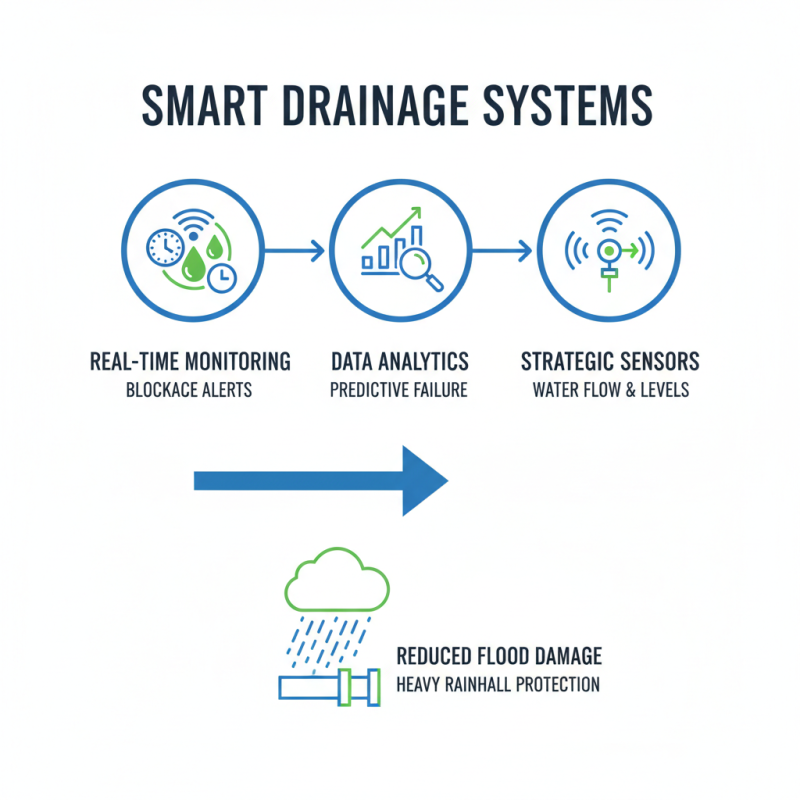
When considering a drainage system, it's essential to think about local conditions. Soil type and climate play a vital role in effectiveness. If soil is compacted, water management may be challenging. Smart drain sensors offer real-time monitoring, alerting users to potential blockages. They optimize maintenance schedules, reducing costs and downtime.
Tips: Always assess the area before installation. Seek expert advice to tailor solutions. Experiment with different materials to find what works best. Flexibility in planning can help address unexpected issues. Remember, a one-size-fits-all approach rarely succeeds. Evaluating your system periodically can lead to improvements over time.
Best Drainage Systems for 2026
This chart illustrates the effectiveness of various drainage systems based on current technologies projected for 2026. The systems are evaluated based on their efficiency, sustainability, and maintenance requirements.
Innovative Materials in Drainage Systems: A Focus on Sustainability
Innovative materials play a crucial role in the future of drainage systems. As urban areas expand, managing water efficiently becomes paramount. In 2026, sustainability will be a core focus. Reports indicate that about 70% of new drainage systems may rely on eco-friendly materials. These materials often include permeable concrete or recycled plastics. They allow for better water absorption, reducing runoff.
However, challenges remain. Not all sustainable products perform equally. Some may deteriorate faster than traditional alternatives. A recent study revealed that 30% of such innovative materials faced performance issues after one year of use. This raises concerns about longevity and maintenance. Industry experts recommend thorough testing of new materials. Without rigorous assessments, the sustainability goal may falter.
Cities are investing in smart drainage solutions. Smart sensors can detect blockages, preventing overflow. These systems reduce water waste and enhance efficiency. Yet, integrating these technologies requires substantial upfront costs. Many municipalities struggle with budgets. A balance must be struck between innovation and financial feasibility. The road to an effective drainage system in 2026 will not be simple, but the focus on sustainability remains essential.
Regulatory Standards and Best Practices: Ensuring Optimal Drainage Design
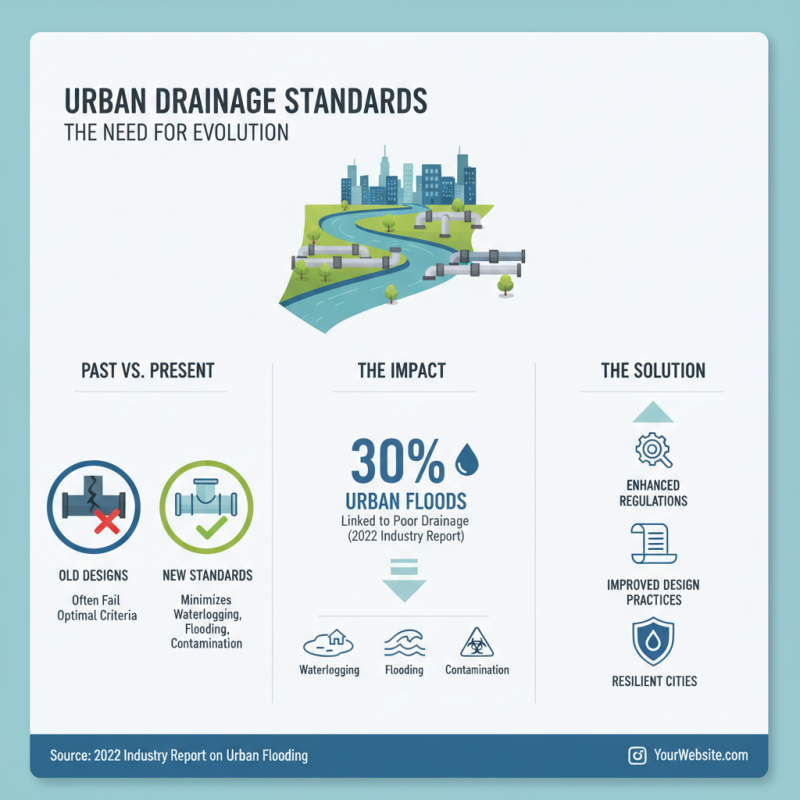
In recent years, regulatory standards for drainage systems have evolved significantly. While progress is evident, many designs still fail to meet optimal criteria. Effective drainage design minimizes waterlogging, flooding, and contamination. According to a 2022 industry report, poor drainage practices contribute to 30% of urban flooding incidents. This underlines the need for enhanced standards.
Best practices include incorporating sustainable drainage systems (SuDS) into design models. Experts suggest that SuDS can reduce runoff by up to 70%. Despite clear benefits, many municipalities lag in implementation. A lack of awareness and budget constraints often hinder progress. Upgrading existing systems to comply with 2026 standards will require substantial investment.
In the pursuit of better drainage, ongoing training for engineers and planners is essential. An alarming 40% of surveyed professionals admit they lack adequate knowledge of current regulations. This gap can lead to flawed designs that compromise public safety. As the industry prepares for future challenges, collaboration and education must become priorities.
Market Trends and Forecasts: Investment in Drainage Infrastructure through 2026
The drainage infrastructure market is evolving rapidly. The global investment in drainage systems is projected to grow at a compound annual growth rate (CAGR) of 5.8% through 2026. Cities face increasing challenges like urbanization and climate change. More efficient drainage systems are essential for flood management and pollution control.
Research reveals that over 30% of urban areas lack adequate drainage solutions. This creates serious environmental risks. Early investments in innovative drainage technologies can mitigate future damage. Smart drainage systems, which use IoT sensors, are gaining attention. They promise proactive monitoring and response. However, their implementation is not widespread yet.
Funding for drainage infrastructure remains a concern. Many governments struggle with budget allocations. According to industry reports, it could take decades to modernize outdated systems. Stakeholders must consider not just costs, but sustainability too. Emphasizing natural solutions, like green roofs and wetlands, can enhance resilience. This approach may face challenges from traditional practices and regulatory frameworks. Investments now can shape effective drainage futures, but only if set goals are met.
What are the Best Drainage Systems for 2026? - Market Trends and Forecasts
| Drainage System Type |
Projected Market Growth (%) |
Key Benefits |
Challenges |
| Surface Water Drainage |
4.5% |
Effective for flood management, low installation costs |
Maintenance requirements, pollution risks |
| Subsurface Drainage |
5.3% |
Improved soil health, enhanced crop yield |
Higher installation costs, potential clogging |
| Green Roof Systems |
6.8% |
Environmental benefits, energy efficiency |
Structural support requirements, maintenance |
| Stormwater Management Systems |
5.1% |
Flood reduction, water quality improvement |
Initial costs and complexity, land use issues |
| Permeable Pavement Systems |
4.9% |
Reduces runoff, enhances groundwater recharge |
Potential for surface damages, snow removal issues |