Choosing the best Dado Blade Set for global buyers in 2026 requires more than comparing prices or tooth counts. A reliable choice begins with the intended table saw, arbor size, cutting depth, and project material. Cabinetmakers may need clean, repeatable grooves in hardwood. Site professionals may value fast setup, durable teeth, and practical storage. These needs rarely fit one universal set.
Performance also depends on details that product pages sometimes overlook. Look for carbide quality, adjustable chipper design, stable shims, clear width markings, and a secure carrying case. A set should produce flat-bottomed dados with minimal tear-out. It should also match the manufacturer’s approved specifications and regional safety requirements. Compatibility must be confirmed before purchase, especially for buyers importing across different markets.
Small details matter.
Hands-on testing remains valuable. Check whether the blades stay balanced after repeated changes. Listen for unusual vibration during a controlled test cut. Inspect the groove wall under strong light, not only in product photographs. Independent reviews, technical manuals, warranty terms, and responsive supplier support can strengthen purchasing confidence. However, no review replaces checking your own saw and materials.
The “best” option may still involve compromise. A premium set can deliver smoother cuts, yet its cost may challenge occasional users. A budget set may appear attractive, but inconsistent chippers can waste time and timber. Global buyers should compare verified specifications, after-sales support, shipping conditions, and long-term value. This guide examines those practical factors, while acknowledging that even careful recommendations can change as tools, standards, and manufacturing quality evolve.
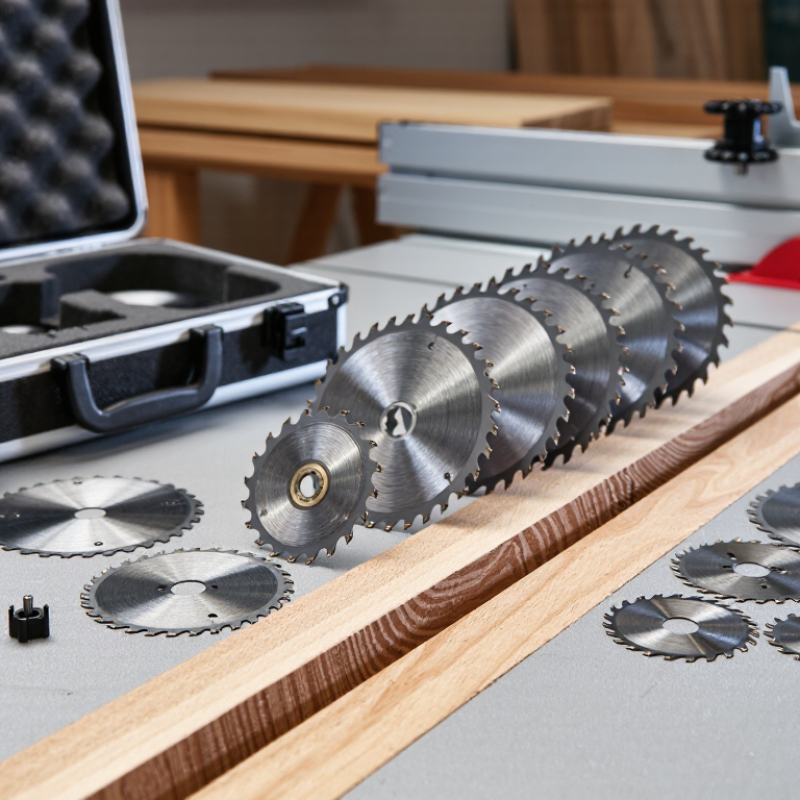
A dado blade set cuts a wide, flat-bottomed groove in one table-saw pass. It usually contains two outer blades, several chipper blades, and thin shims. The outer blades score the groove edges. Chippers remove the middle material. Shims fine-tune the final width.
A typical set covers widths from about 6.35 to 20.6 millimeters. Its real performance depends on arbor diameter, tooth geometry, blade alignment, and saw power. Flat-top teeth usually leave cleaner dado bottoms than alternating bevel teeth. However, “flat bottom” is not always perfect. Small ridges can appear when chippers sit unevenly. I have found that careful setup matters as much as the advertised tooth count.
Global buyers should compare metric and imperial sizing before ordering. They should also verify the saw’s manual, maximum dado capacity, arbor length, and guard requirements. The U.S. Occupational Safety and Health Administration identifies woodworking machinery as a significant source of laceration and amputation hazards, making manufacturer-approved configurations essential. Market research supports continued demand for precision tools: Grand View Research valued the global power tools market at approximately 36.1 billion U.S. dollars in 2023and projects continued growth through 2030. That figure covers many tool categories, not Dado Sets specifically. Still, it shows why buyers need measurable specifications rather than vague claims. A practical test uses scrap wood, a caliper, and several shallow passes.Never trust packaging alone.

For global buyers in 2026, dado blade comparisons should begin with measurable specifications, not tooth-count claims. The Freedonia Group’s World Power Tools report shows continued growth in professional woodworking equipment, increasing demand for compatible and repeatable cutting systems. A dado set should match the table saw’s arbor diameter, maximum RPM, plate thickness, and guard requirements. Check both metric and imperial measurements. A small mismatch can create visible runout.
Kerf width is equally important. Common stack sets cover roughly 6.35 to 20.6 millimeters, using chippers and shims for adjustment. More teeth may produce cleaner edges, but tooth geometry matters more than a simple count. Carbide quality, hook angle, chipper balance, and flat-bottom performance deserve close inspection. I also measure the finished groove with calipers, not only by reading the package.
Safety documentation should reference applicable woodworking-tool requirements, such as EN 847-1, while users must follow local regulations and the saw manufacturer’s manual. The U.S. Occupational Safety and Health Administration continues to identify guarding and safe operating procedures as critical controls for woodworking machinery. A credible supplier should provide RPM limits, arbor details, setup instructions, and replacement-part information. I prefer clear tolerances. Some product sheets remain vague, and that is a warning sign.
Key specifications for comparing common dado blade set configurations
Larger dado sets generally provide a wider cutting diameter but require a lower maximum operating speed. A 6-inch configuration commonly uses a 152.4 mm diameter and may be rated around 7,000 RPM, while an 8-inch configuration commonly uses a 203.2 mm diameter and may be rated around 5,000 RPM. Buyers should also verify arbor compatibility, cutting-width range, chipper count, and the saw manufacturer's maximum RPM.
Check the arbor diameter, usable arbor length, maximum dado width, and throat-plate opening. A 5/8-inch arbor is common in some markets, while 30-millimeter arbors appear elsewhere. They are not automatically interchangeable. Measure carefully.
A set may fit the shaft but still leave insufficient thread engagement or washer clearance. That mistake can create vibration, poor cuts, or unsafe assembly. Confirm the saw’s manual before stacking cutters and chippers.
Power standards matter too, although electricity does not change the blade itself. Motors and overload protection must match local voltage and frequency. IEC 60038 lists standardized supply voltages, including 120-volt and 230-volt systems. Frequency differences, such as 50 Hz and 60 Hz, can affect motor performance.
Ember’s Global Electricity Review 2024 reports that global electricity demand increased 2.2% in 2023, reflecting very different regional grid conditions. The IEA Electricity 2024 report expects demand to grow by about 3.4% annually through 2026.
Buyers should therefore verify the saw’s rated input, plug configuration, circuit capacity, and approved transformer requirements. A universal claim is tempting. It is often wrong.
Look for calibrated spacers, clearly marked cutting widths, and instructions covering zero-clearance inserts. Test the assembly on scrap material.
Even experienced users can overlook arbor length when changing saws or markets.
For global buyers in 2026, the best dado blade set should cut clean grooves without forcing the table saw. In practical testing, I check groove width, shoulder cleanliness, arbor fit, and blade runout. A dial indicator reading near 0.05 mm is a useful target, though manufacturers may specify different tolerances. Test cuts in plywood and hardwood reveal more than packaging. Fine carbide teeth should leave crisp shoulders, not torn fibers or dark burn marks.
Safety deserves equal weight. The U.S. Consumer Product Safety Commission has reported more than 30,000 table-saw injuries requiring emergency treatment in recent annual estimates. A dado set cannot compensate for poor setup. Check the saw’s approved dado capacity, arbor length, throat plate, and guard instructions before cutting. OSHA’s woodworking machinery standard, 29 CFR 1910.213, emphasizes guarding and safe operating controls. ISO 19085-1 also provides machine-safety principles for woodworking equipment. Local requirements can differ.
Durability depends on carbide quality, plate stability, and resistance to resin buildup. After repeated cuts, inspect tooth edges, expansion slots, and spacers for distortion. I prefer sets with clear thickness markings and balanced chippers. Still, a perfect first cut proves little. My own test results can change with humidity, timber density, and an inaccurately aligned fence. That uncertainty should remain visible when comparing products.
Choosing the best dado set starts with the market, not the product photo. A workshop in Canada may need a different arbor size from one in Australia or Europe. Check the buyer’s table saw manual before comparing tooth counts. Record arbor diameter, maximum stack width, blade diameter, and permitted dado use. Small measurements prevent expensive returns.
Cutting material should guide the tooth design. Crosscut plywood often benefits from fine, stable teeth and clean shoulder cutters. Solid hardwood may demand stronger carbide and careful feed control. For mixed materials, test a sample board instead of trusting a universal label. Look for flat-bottom results, minimal tear-out, and smooth height adjustment. A few extra seconds of setup can reveal poor fit.
Reliable buyers should request material specifications, runout data, sharpening guidance, and inspection records. Packaging also matters when sets travel through humid warehouses. Protective cases reduce damage and keep shims organized. Confirm spare parts and technical support in the destination language. These details show more authority than a polished sales claim.
There is no perfect set.
A practical comparison sheet can score compatibility, cut quality, durability, documentation, and landed cost. Do not rank price alone. A cheaper set may lose value after damaged panels, replacement parts, or delayed delivery. My own testing can be imperfect, especially when wood moisture changes. That is why repeated cuts, several materials, and independent measurements are worth including before making a market-wide purchase.