What is the Best Aluminum Welder Machine for Your Needs?
When it comes to welding aluminum, choosing the right Aluminum Welder Machine can make all the difference. Aluminum is a lightweight yet challenging metal to work with. A reliable machine can ensure a flawless finish and strong joints.
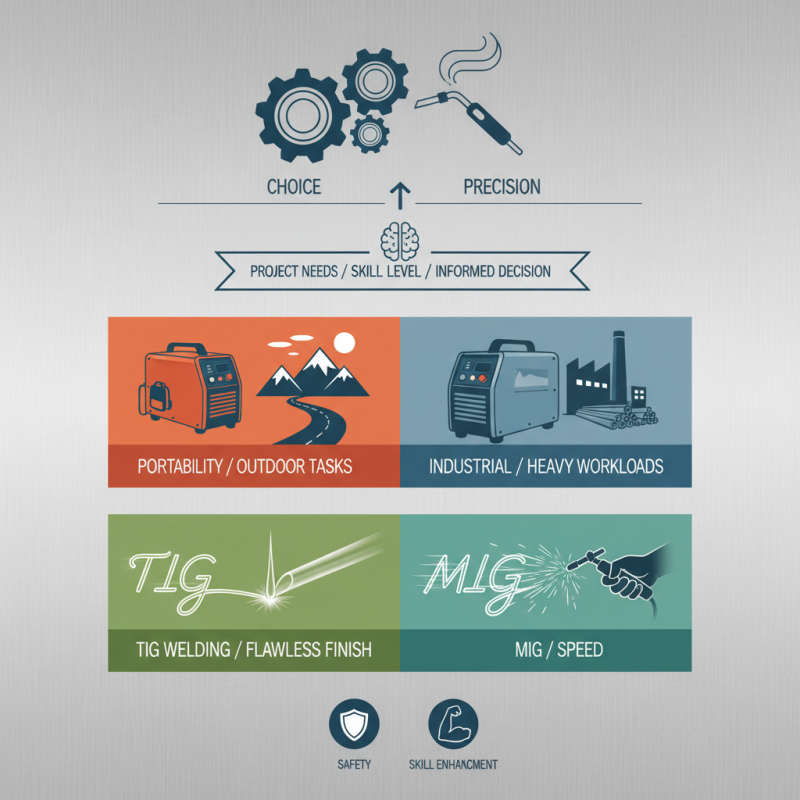
Different projects require different capabilities. Some may need a portable welder for outdoor tasks, while others look for industrial-grade machines for heavy workloads. Your choice should reflect your specific needs and skill level.
It's also vital to consider the welding process. TIG welding is often preferred for aluminum, but MIG welding offers speed. Understanding your project will help in making an informed decision. This isn't just about buying a machine; it's about enhancing your skills and ensuring safety in your work. Each element can impact your work's quality.
Understanding Aluminum Welding: An Overview of Techniques and Processes
Aluminum welding requires understanding various techniques and processes. Different methods cater to distinct applications, affecting strength and appearance. Gas Tungsten Arc Welding (GTAW), for instance, excels in producing clean and neat welds. This method is often favored in the aerospace industry, where weld integrity is paramount. A report from the American Welding Society notes that nearly 40% of aluminum fabrication involves GTAW for these reasons.
Mig welding (GMAW) is another popular technique, especially for thicker materials. It allows for higher deposition rates, which expedite production. However, controlling heat input is crucial. Excessive heat can lead to warping or weak joints. Statistics indicate that nearly 60% of industrial aluminum components are manufactured using GMAW, showcasing its dominance in the sector.
Understanding these processes helps users select suitable equipment. Too often, welders overlook the importance of preparation and technique. For instance, surface cleaning is critical in aluminum welding, as contaminants can jeopardize weld quality. Many welders report struggles with maintaining consistent heat and proper settings. Such challenges highlight the need for ongoing education and practice in aluminum welding.
Key Features to Look for in an Aluminum Welder Machine
When selecting an aluminum welder machine, it’s crucial to focus on key features. One important aspect is the power output. Ideally, you need a machine with sufficient amperage to tackle various thicknesses of aluminum. Higher amperage allows for better penetration and a more stable arc. Consider a machine that offers adjustable settings for different tasks.
Another essential feature is the cooling system. Aluminum welding generates significant heat. A good cooling system will prevent overheating, prolonging the life of your machine. Look for models with efficient cooling fans or water-cooled setups. This ensures better performance during extended use.
Portability is another factor to consider. A lightweight, compact welder is ideal for those working on-site or in tight spaces. Check the weight and dimensions before making a decision. While larger machines might offer more power, they can be cumbersome. It's about finding the right balance between power and portability.
Comparing Different Types of Aluminum Welders: MIG, TIG, and Stick
When choosing an aluminum welder, understanding the differences between MIG, TIG, and Stick welding is essential. MIG (Metal Inert Gas) welding is user-friendly and ideal for beginners. It provides a smooth finish and is suitable for thin aluminum sheets. However, it may struggle with thicker materials. TIG (Tungsten Inert Gas) welding offers precision and versatility. It allows for greater control and is perfect for intricate designs. But, it requires more skill and practice. Stick welding is robust and effective for outdoor tasks. It’s less affected by wind but may not deliver the finest appearance.
Tips for selecting the right welder include evaluating the project size and material thickness. Beginners may benefit from starting with MIG due to its ease of use. For those looking to improve, TIG can take your skills to the next level. Consider the location of your welding tasks. If you’re working outdoors, Stick welding might be the most suitable option.
Remember to consider future projects. You might start with simple repairs but end up tackling larger jobs. Choose a welder that not only meets current needs but also has the capacity for future work. Be aware that each welding method has its learning curve. Embrace the process, and don’t hesitate to practice. Mastery comes with time and dedication.
Evaluating Your Project Needs: Selecting the Right Welder Specifications
Choosing the best aluminum welder starts with understanding your specific project needs. Aluminum projects vary significantly, so evaluate the thickness of the material you'll be working with. Thin sheets, for instance, require different specifications compared to thicker aluminum profiles. This fundamental assessment sets the foundation for selecting the right welding machine.
Consider the power source as well. You'll encounter options like MIG, TIG, and stick welding. MIG welding is often easier for beginners, while TIG offers precision and control for more detailed work. Focus on the environment in which you'll be welding. Indoor settings may require different considerations compared to outdoor projects, such as wind and moisture concerns.
Tips: Always check the amperage ratings before making a choice. Higher ratings allow for thicker materials. Store your machine properly to prolong its life. Regular maintenance checks can also enhance performance over time. Understand that each welding task presents unique challenges. Reflect on past projects and identify areas where improvement is possible. Adapting to your project needs will ultimately guide you to the right welder.
Budget Considerations: Finding the Best Aluminum Welder Within Your Range
Choosing an aluminum welder within your budget is crucial. Prices can vary significantly based on features and capabilities. For hobbyists, a compact model might suffice, while professionals may need more advanced equipment. Knowing what you need is essential to avoid overspending.
Consider the features that matter most to your projects. A machine with adjustable settings may offer more versatility. However, it could also drive up the price. Explore models that provide the basic functionality required for aluminum welding. Sometimes, simpler machines perform reliably without additional frills.
Balance between quality and affordability is vital. Cheaper options may lack durability or performance. On the other hand, high-end models aren't always necessary. Check reviews from experienced users to guide your decision. Their insights can illuminate potential pitfalls. Ensure the welder fits your current skills and future ambitions. This could save time and money down the line.