Top 10 Benefits of Woven Geotextile for Your Construction Projects?
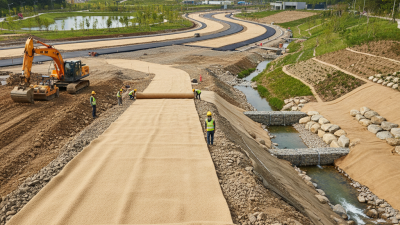
Woven geotextile has revolutionized the construction industry with its versatility and strength. These materials are essential in various applications, from road construction to erosion control. A recent report by the International Geosynthetics Society highlights that the market for geotextiles is expected to grow at a CAGR of 10.6% from 2021 to 2026.
Using woven geotextile provides significant benefits. Their durability and load-bearing capacity enhance soil stability. This results in reduced maintenance costs for projects. It's worth considering that improper installation can lead to failures, affecting longevity. Industry experts have noted that selecting the right type of geotextile is crucial; not all projects can benefit equally from woven options.
Moreover, woven geotextiles support sustainable practices. They can reduce the need for additional materials, thus lowering environmental impact. However, over-relying on these products without proper evaluation can negate benefits. As the industry evolves, recognizing potential pitfalls is essential for maximizing the advantages woven geotextile offers.
Advantages of Using Woven Geotextile in Construction Projects
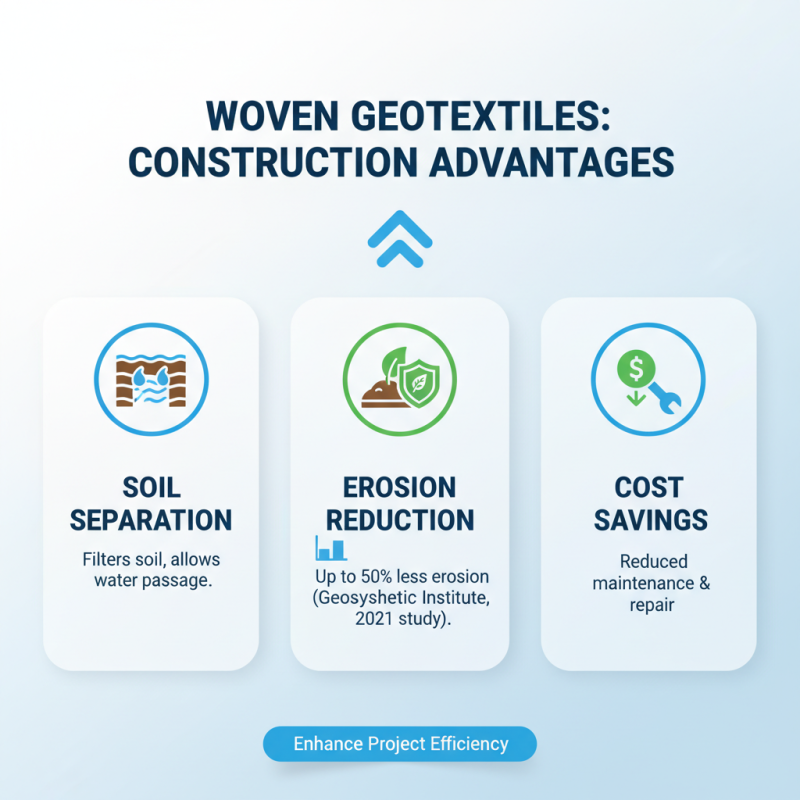
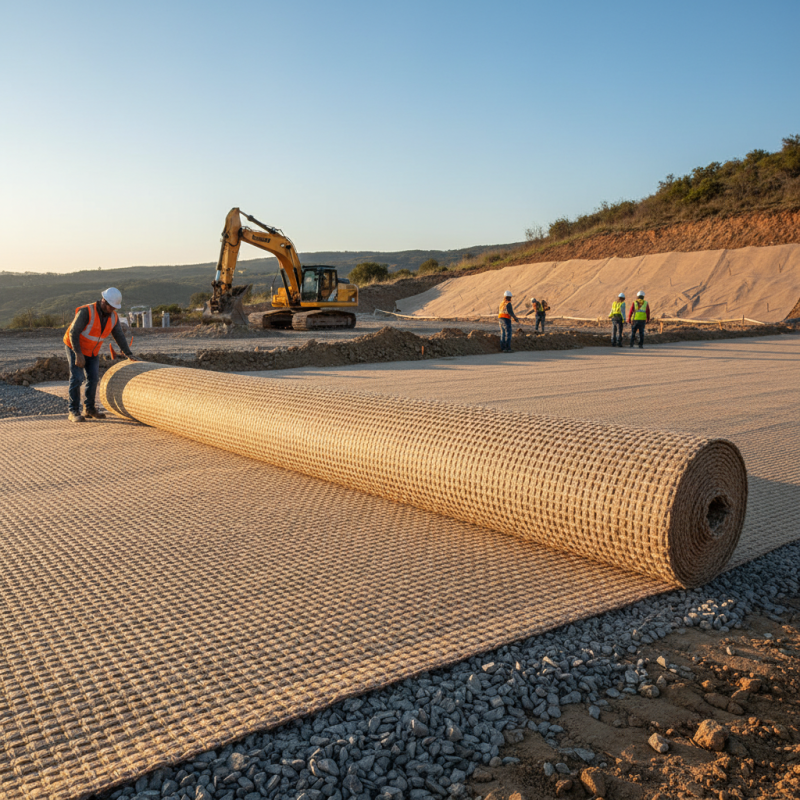
Woven geotextile has become a popular choice in construction projects. It offers several advantages that can significantly enhance project efficiency. One major benefit is soil separation. Woven geotextiles effectively filter and retain soil particles while allowing water to pass through. According to a 2021 study by the Geosynthetic Institute, using geotextiles reduces soil erosion by up to 50%. This can lead to considerable cost savings in maintenance and landscape repair.
Another benefit is the enhanced strength and stability it provides. Woven geotextiles distribute loads across a larger area. This reduces localized stresses in the soil. Research indicates that incorporating woven geotextile can increase the load-bearing capacity of weak soils by 30% to 40%. Such improvements can be crucial in areas with challenging soil conditions.
Despite these advantages, some challenges remain. Installing woven geotextiles requires careful attention to detail. Improper installation can negate their strengths, leading to issues like inadequate drainage or improper soil stabilization. Training workers on best practices is essential but often overlooked. Ensuring quality control during installation can lead to better long-term results. Woven geotextile certainly offers multiple benefits, yet its effective use demands awareness and diligence.
Enhanced Soil Stability Through Woven Geotextile Applications
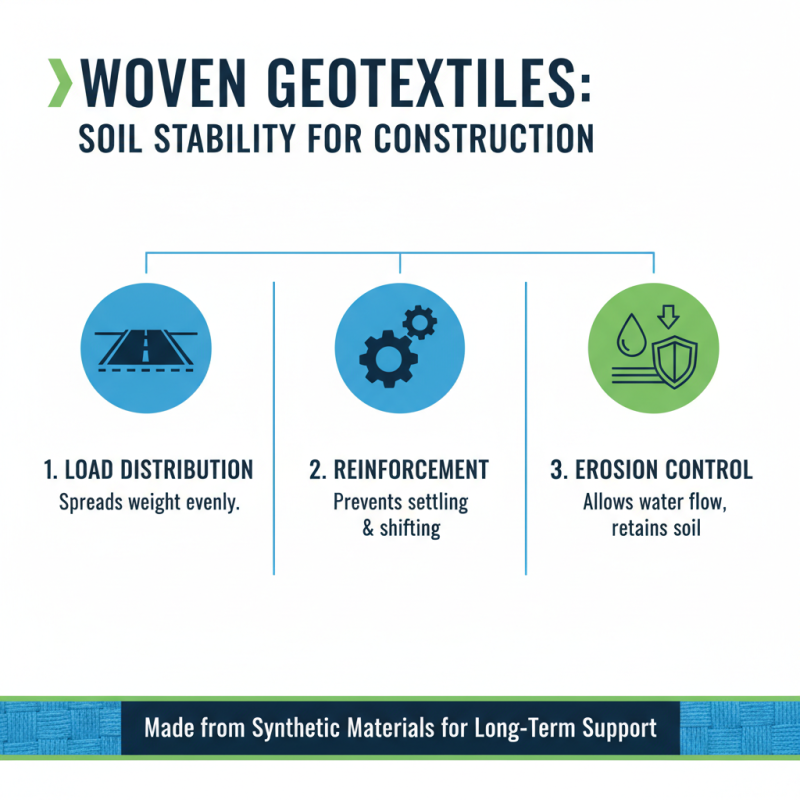
Woven geotextiles play a crucial role in enhancing soil stability for construction projects. These fabrics, made from synthetic materials, are engineered to provide support and reinforcement. When placed beneath roads or structures, they help distribute loads evenly across the soil. This reduces the risk of settling and shifting, which can lead to structural failure over time. The woven texture allows water flow while preventing soil erosion, a common problem at construction sites.
In addition, these geotextiles can be an effective barrier against weeds and invasive plant species. By blocking sunlight, they help maintain a stable work environment. However, it is essential to consider the installation process carefully. Poor installation can negate their benefits and lead to issues later on. Observations suggest that not all projects fully leverage their potential. A balanced approach, taking into account soil types and environmental conditions, is key to maximizing efficacy. Workers must be trained properly to ensure the geotextile is laid correctly and effectively, as improper techniques can lead to costly corrections.
Cost-Effectiveness of Woven Geotextile in Long-Term Construction
Woven geotextiles offer remarkable cost-effectiveness in long-term construction projects. They reduce project costs by preventing soil erosion. They also enhance soil stability, which minimizes the need for extensive repairs. By using woven geotextile, construction teams can protect against unexpected soil movement. This saves both time and money in the long run.
When properly installed, woven geotextiles can prolong the lifespan of structures. However, it’s essential to ensure proper installation and maintenance. Poor installation may lead to issues like water pooling and inadequate support. These problems can incur additional costs over time. Understanding these nuances in woven geotextiles is crucial for effective use.
Investing in woven geotextiles now can yield significant savings later. Nevertheless, it's vital to assess the specific needs of the construction site. Not all projects will benefit equally from woven geotextiles. Sometimes, alternative solutions might be more effective. This careful evaluation helps make informed decisions that can ultimately control costs.
Improved Drainage Solutions with Woven Geotextile Materials
Woven geotextiles are transforming drainage solutions in construction projects. These materials facilitate water movement while maintaining soil structure. According to a report by Geosynthetic Research Institute, proper drainage can reduce erosion by up to 50%. This statistic highlights the effectiveness of woven geotextiles in preventing soil displacement during heavy rains.
The porous nature of woven geotextiles allows for efficient water flow. They can manage excess moisture, preventing puddles and promoting stable ground. A study found that projects using these materials improved drainage efficiency by over 30%. However, misapplications can occur. Improper installation or choosing the wrong type may lead to increased flooding.
In some cases, inadequate maintenance of woven geotextiles results in reduced performance. Regular inspections are essential. If over time sediment accumulates, it can clog the fabric. This can negate the benefits initially provided. Keeping these factors in mind ensures that your projects achieve the potential advantages woven geotextiles offer. Exploring new applications may also reveal opportunities for improved effectiveness.
Environmental Benefits of Incorporating Woven Geotextile in Projects
Incorporating woven geotextile in construction projects offers significant environmental benefits. These materials promote soil stability, reducing erosion. When utilized in landscapes, they protect against water runoff, preserving local ecosystems. They allow water to pass through while filtering harmful particles. The result is cleaner groundwater and reduced sedimentation in rivers.
Woven geotextiles aid in weed control too. By blocking sunlight, they prevent unwanted plant growth. This can lessen the need for chemical herbicides. Fewer chemicals mean healthier soil and surrounding flora. However, some projects may face challenges in ensuring proper installation. Misalignment can lead to inefficiencies.
Lastly, these materials are often recyclable, promoting sustainability. Yet, the disposal methods can vary by region. It’s crucial for project managers to assess local recycling options. Overall, the use of woven geotextiles could significantly benefit the environment, though careful planning is necessary to maximize their advantages.
Top 10 Benefits of Woven Geotextile for Your Construction Projects
| Benefit |
Description |
| Soil Stabilization |
Woven geotextiles improve the stability of soil by preventing erosion and enhancing load distribution. |
| Water Filtration |
They allow water to flow through while filtering out sediments and contaminants. |
| Cost-Effective |
Reduces the need for additional materials and labor, lowering overall project costs. |
| Environmental Protection |
Helps in protecting ecosystems by preventing soil erosion and maintaining natural drainage patterns. |
| Durability |
Woven geotextiles are designed to withstand harsh environmental conditions and heavy loads. |
| Separation Layer |
Prevents mixing of different soil types, which is critical for maintaining structural integrity. |
| Enhanced Drainage |
Facilitates efficient water drainage, helping to avoid water accumulation in construction areas. |
| Flexibility |
Can be easily cut and shaped to fit various applications and construction needs. |
| Improved Load Bearing Capacity |
Increases the load-bearing capacity of the ground, making it suitable for heavy structures. |
| Versatility |
Applicable in various projects, including roads, embankments, and drainage systems. |