Top 10 Benefits of Using Perforated Pipes for Drainage Systems
In the realm of effective drainage solutions, perforated pipes have emerged as a cornerstone technology, providing a multitude of benefits for both residential and commercial applications. These specialized pipes, characterized by their strategic holes or perforations along their length, facilitate superior water management and soil drainage, making them an ideal choice for various construction projects. By allowing water to flow freely while preventing the infiltration of large debris, perforated pipes play a crucial role in maintaining the integrity of landscapes and structures alike.
Moreover, the use of perforated pipes significantly enhances the efficiency of drainage systems. They help in the rapid movement of excess water, mitigating the risks of flooding and waterlogging that can cause extensive damage. These pipes are particularly valuable in areas with high moisture content, where traditional drainage options may fall short. By exploring the top benefits of perforated pipes, we can better understand their pivotal role in modern drainage systems and how they contribute to sustainable water management practices.
Understanding Perforated Pipes: Definition and Functionality
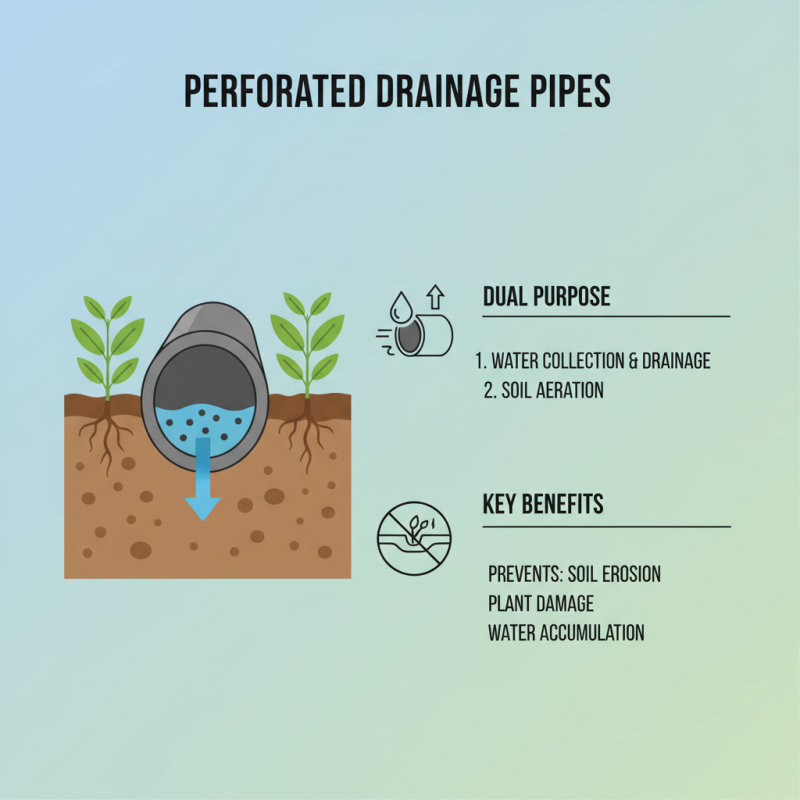
Perforated pipes are specialized drainage solutions characterized by a series of holes or slots along their length. These openings allow for the efficient flow of water while providing structural integrity and durability to the pipe itself. Primarily used in various drainage applications, these pipes serve a dual purpose: they facilitate the collection and drainage of excess water from the surrounding soil while also allowing for aeration of the soil. This functionality is crucial in preventing water accumulation that can lead to soil erosion and plant damage.
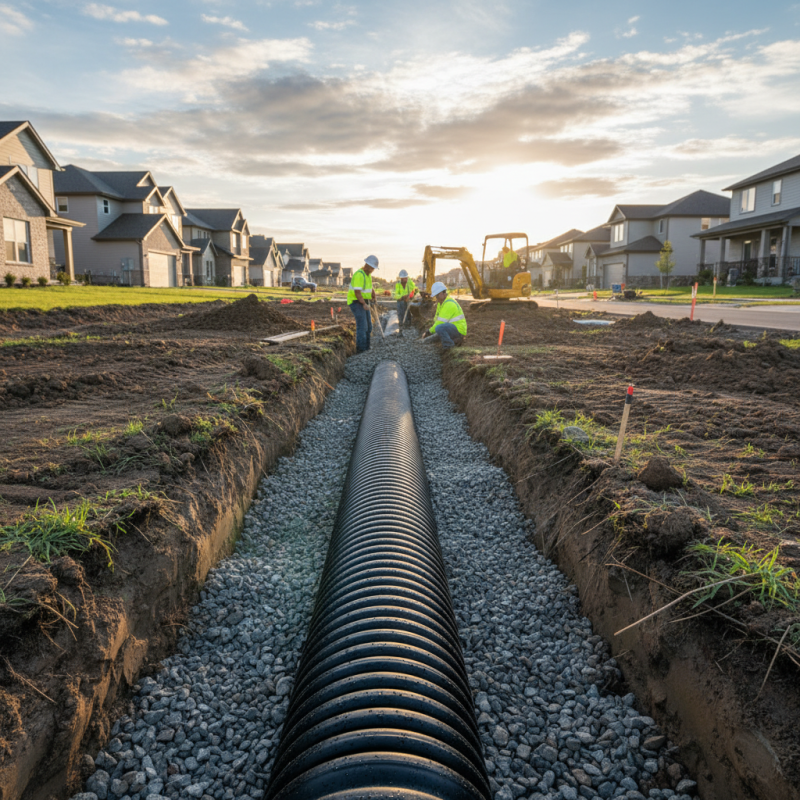
In terms of operation, perforated pipes can be installed in different configurations depending on the specific drainage needs of a site. When placed beneath the ground, these pipes work effectively in conjunction with gravel or sand to filter stormwater and prevent flooding. The design ensures that water can enter through the perforations, while sediment and debris remain trapped within the surrounding materials. This enhances the longevity and effectiveness of the drainage system, allowing it to operate efficiently over time and reducing the need for maintenance. Consequently, understanding the functionality of perforated pipes is essential for anyone involved in drainage system design and implementation.
Advantages of Perforated Pipes in Soil and Water Drainage
Perforated pipes have become an essential component in modern drainage systems, particularly for managing soil and water effectively. One of the primary advantages of using perforated pipes is their ability to facilitate the drainage of excess water from saturated soils. The small holes that line the pipe's surface allow water to seep in while preventing soil particles from clogging the drainage system. This capability reduces the risk of waterlogging and promotes better plant growth by maintaining optimal moisture levels in the soil.
Another significant benefit of perforated pipes is their versatility in various applications. They can be utilized in agricultural settings for subsurface drainage, helping to enhance crop yields by removing excess water from the root zone. In urban environments, these pipes effectively manage stormwater runoff, reducing the risk of flooding and soil erosion. Additionally, they can be employed in construction projects to manage groundwater levels, thereby improving the stability of foundations. This adaptability makes perforated pipes a preferred solution for engineers and landscapers aiming to create effective drainage systems while ensuring sustainable water management practices.
Top 10 Benefits of Using Perforated Pipes for Drainage Systems
Comparison with Non-Perforated Pipes in Drainage Efficiency
When comparing perforated pipes with non-perforated options in drainage systems, one of the most significant advantages of perforated pipes is their ability to enhance drainage efficiency. The design of perforated pipes allows water to seep in through the small holes along their length, which enables faster and more effective water management. This facilitates the quick dissipation of excess water, reducing the risk of flooding and soil erosion around the drainage area. In scenarios where rapid water evacuation is essential, such as in agricultural fields or construction sites, perforated pipes prove to be greatly beneficial.
On the other hand, non-perforated pipes primarily serve the function of channeling water away from an area without allowing any infiltration. While they can effectively transport water away, they do not address potential groundwater concerns or manage saturation levels in the surrounding soil. This limitation can lead to over-saturation in certain areas, potentially compromising structural integrity and contributing to water-related issues. Consequently, for applications where effective drainage and groundwater control are critical, perforated pipes generally outperform their non-perforated counterparts, providing a more holistic solution for drainage needs.
Top 10 Benefits of Using Perforated Pipes for Drainage Systems - Comparison with Non-Perforated Pipes in Drainage Efficiency
| Benefit |
Perforated Pipes |
Non-Perforated Pipes |
| Improved Drainage Efficiency |
High |
Low |
| Reduced Soil Erosion |
Yes |
No |
| Cost-Effectiveness |
Moderate |
High |
| Maintenance Requirements |
Low |
High |
| Flexibility in Design |
High |
Medium |
| Environmental Impact |
Minimal |
Higher |
| Water Quality Management |
Effective |
Limited |
| Longevity |
High |
Variable |
| Ease of Installation |
Easy |
Requires More Tools |
| Customization Options |
High |
Low |
Installation and Maintenance Best Practices for Perforated Pipes
When installing perforated pipes for drainage systems, proper techniques can greatly enhance their efficiency and longevity. First, it is crucial to select the right materials based on the application and soil conditions. The pipe's diameter and hole size must correspond with the expected drainage needs and should be adequate to allow for optimal water flow while minimizing sediment entry. During installation, ensure that the pipes are laid at a slight slope to facilitate gravity drainage, reducing the chances of clogs caused by stagnant water.
Maintenance of perforated pipes is imperative to ensure their functionality over time. Regular inspections should be conducted to check for blockages or signs of damage. Cleaning the pipes periodically, either through flushing with water or using mechanical methods, can prevent the build-up of debris and improve water flow. Additionally, it is advisable to monitor the surrounding landscape for vegetation that may encroach upon the drainage system. By managing root growth and keeping the area clear of excessive debris, the integrity of the perforated pipes can be maintained, ensuring their effectiveness in managing water drainage.
Environmental Impact and Sustainability Benefits of Perforated Pipes
Perforated pipes are increasingly recognized for their environmental advantages in drainage systems. One of the primary benefits is their ability to enhance soil absorption and reduce stormwater runoff. By allowing water to infiltrate the ground through small perforations, these pipes help recharge groundwater supplies and mitigate surface flooding. This natural filtration process minimizes the potential for erosion and pollution in local water bodies, promoting healthier ecosystems.
Additionally, perforated pipes contribute to sustainable drainage practices by supporting the efficient management of water resources. Their design allows for the collection and redistribution of excess water, effectively preventing over-saturation of nearby areas. This is particularly beneficial in agricultural settings, where maintaining optimal moisture levels is crucial for crop health. By integrating perforated pipes into drainage systems, communities can foster resilience against extreme weather events while simultaneously preserving water quality and promoting biodiversity.